













































Croatia is one of Europe’s most beautiful travel destinations, offering a wonderful combination of historic cities, stunning coastlines, medieval architecture, crystal-clear waters, and vibrant cultural experiences. Located along the Adriatic Sea, this fascinating country attracts travelers who want to explore charming old towns, enjoy relaxing beach holidays, discover historical landmarks, and experience traditional European lifestyles. From picturesque coastal destinations to lively inland communities, Croatia cities offer something special for every type of traveler.
Whether you are planning your first European vacation, organizing a summer getaway, or looking for lesser-known destinations, exploring Croatia’s cities can make your journey unforgettable. Each city has its own personality, attractions, local traditions, and natural beauty. Some destinations are famous for ancient Roman architecture, while others attract visitors with beautiful harbors, island connections, mountain scenery, and delicious Mediterranean cuisine. Understanding the best cities to visit in Croatia can help you create a memorable itinerary and experience the country’s diverse attractions.
1. Dubrovnik: The Most Famous Historic City in Croatia
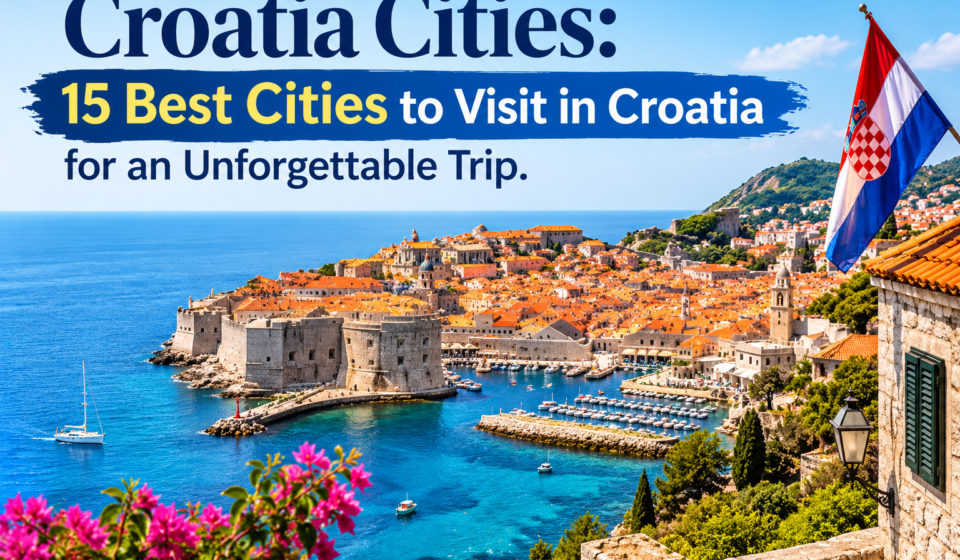
Dubrovnik is one of the most recognizable cities in Croatia and a popular destination for international travelers. Often called the Pearl of the Adriatic, this coastal city is famous for its impressive medieval walls, historic buildings, narrow stone streets, and spectacular sea views. Its Old Town is a UNESCO World Heritage Site, attracting visitors who want to experience centuries of architecture and cultural history. Walking through the historic streets provides an opportunity to discover beautiful squares, traditional restaurants, museums, and charming shops.
One of Dubrovnik’s most memorable attractions is its ancient city walls, which provide breathtaking views of the Adriatic coastline and surrounding rooftops. Visitors can also explore Stradun, the city’s main pedestrian street, and discover landmarks such as Rector’s Palace and the Franciscan Monastery. For travelers who enjoy outdoor activities, nearby beaches and boat excursions provide opportunities to experience the beautiful coastal environment. Dubrovnik is especially attractive during spring and early autumn when visitors can enjoy pleasant weather and explore the city with fewer summer crowds.
2. Split: A Beautiful Combination of History and Beaches
Split is another outstanding destination among Croatia cities, combining ancient Roman history with a lively modern atmosphere. Located along the Dalmatian Coast, Split is known for Diocletian’s Palace, a remarkable historical complex that forms the heart of the city. Built for the Roman emperor Diocletian in the fourth century, the palace is now surrounded by restaurants, shops, residential buildings, and narrow streets. Its historic atmosphere makes Split an excellent destination for travelers interested in architecture and cultural experiences.
Beyond its historical attractions, Split offers beautiful beaches, waterfront promenades, and convenient connections to nearby islands. The Riva promenade is a favorite gathering place where visitors can enjoy coffee, local food, and views of the harbor. Bacvice Beach is particularly popular for swimming and relaxing during warmer months. Split is also an excellent starting point for exploring Hvar, Brac, and other Adriatic islands, making it a valuable destination for travelers planning a longer Croatian vacation.
3. Zagreb: Croatia’s Cultural and Historic Capital
Zagreb, the capital of Croatia, offers a different experience from the country’s famous coastal destinations. Located in the northwestern part of the country, it is known for its historic architecture, cultural institutions, green spaces, shopping districts, and welcoming atmosphere. The city combines traditional Central European influences with contemporary attractions, creating an interesting environment for visitors. Its streets are filled with cafes, museums, galleries, markets, and beautiful historic buildings that reflect different periods of Croatian history.
One of Zagreb’s most popular areas is the Upper Town, where travelers can discover St. Mark’s Church, historic squares, and charming cobblestone streets. Ban Jelacic Square serves as a central meeting point, while Dolac Market offers a glimpse into everyday Croatian life through its fresh produce and traditional products. Visitors can also explore the Museum of Broken Relationships, which provides an unusual and emotional cultural experience. Zagreb is a wonderful choice for travelers who want to understand Croatia beyond its beaches and coastal resorts.
4. Zadar: A Coastal City Filled with Unique Attractions
Zadar is a beautiful coastal destination known for its ancient history, attractive waterfront, and creative modern attractions. Situated along the Adriatic Sea, the city offers a relaxing atmosphere while maintaining a rich cultural identity. Its historic center contains Roman ruins, medieval churches, traditional stone streets, and charming public squares. Zadar is particularly appealing to travelers who enjoy combining sightseeing with peaceful coastal experiences.
Two of Zadar’s most famous attractions are the Sea Organ and the Greeting to the Sun installation. The Sea Organ uses the movement of ocean waves to create musical sounds, producing a unique experience along the waterfront. Greeting to the Sun features a circular solar-powered installation that creates colorful light displays after sunset. Visitors can also explore the Church of St. Donatus and enjoy beautiful views of the Adriatic. Zadar is an excellent destination for couples, families, and independent travelers.
5. Pula: Discover Roman History and Coastal Beauty
Pula is one of the most historically interesting cities in Croatia, located on the southern tip of the Istrian Peninsula. The city is especially famous for its remarkably preserved Roman amphitheater, commonly known as the Pula Arena. This impressive ancient structure was built during the Roman period and remains one of the best-preserved Roman amphitheaters in the world. Its historical importance and architectural beauty make it a major attraction for visitors exploring Croatia.
In addition to its Roman landmarks, Pula offers beautiful beaches, coastal landscapes, traditional restaurants, and cultural events. Visitors can explore the Temple of Augustus, the Arch of the Sergii, and the historic city center. Nearby beaches provide opportunities for swimming, snorkeling, and relaxing beside the Adriatic Sea. Pula is also a convenient base for discovering other attractions across the Istrian region.
6. Rijeka: A Lively Port City With Cultural Character
Rijeka is an important port city located on Croatia’s northern Adriatic coast. Unlike some of the country’s more tourist-focused destinations, Rijeka offers a distinctive urban atmosphere shaped by maritime traditions, industrial history, and cultural diversity. Its waterfront location, historic architecture, and active cultural scene make it an interesting destination for visitors looking for something different.
The city’s most recognizable landmarks include Trsat Castle, which overlooks Rijeka from a hilltop position, and Korzo, the main pedestrian street filled with cafes and shops. Visitors can also discover the city’s museums, historic churches, and traditional markets. Rijeka is particularly famous for its annual carnival, one of the largest carnival celebrations in Europe. Travelers visiting during the festival can experience colorful parades, traditional costumes, music, and lively street celebrations.
7. Sibenik: A Charming City of Medieval Architecture
Sibenik is a historic coastal city known for its impressive stone architecture, beautiful harbor, and peaceful Mediterranean atmosphere. Located along Croatia’s Dalmatian Coast, it offers a more relaxed experience compared with some of the country’s busiest tourist destinations. Its historic center features narrow streets, traditional houses, charming squares, and important cultural landmarks that reflect its long history.
The Cathedral of St. James is Sibenik’s most famous attraction and a UNESCO World Heritage Site. Constructed using stone without traditional wooden structural support, the cathedral is recognized for its remarkable Renaissance architecture. Visitors can also explore St. Michael’s Fortress, which provides beautiful views of the city and surrounding coastline. Nearby Krka National Park offers opportunities to enjoy waterfalls, nature trails, and scenic landscapes, making Sibenik an excellent destination for combining history and outdoor activities.
8. Rovinj: A Romantic Coastal Destination in Istria
Rovinj is one of the most picturesque coastal towns in Croatia and a favorite destination for couples and photography enthusiasts. Located on the western coast of the Istrian Peninsula, it is famous for its colorful buildings, narrow cobblestone streets, charming harbor, and beautiful Adriatic views. Its romantic atmosphere and attractive historic center make it one of the most memorable places to include in a Croatian travel itinerary.
The Church of St. Euphemia is one of Rovinj’s most recognizable landmarks, standing above the historic town and offering impressive views from its bell tower. Visitors can spend time exploring local art galleries, enjoying fresh seafood, and relaxing at waterfront cafes. The surrounding coastline also provides opportunities for swimming, boating, and discovering nearby islands. Rovinj is particularly beautiful during summer, although spring and early autumn are excellent periods for a quieter visit.
9. Trogir: A Historic Island Town
Trogir is a charming historic destination situated between the Croatian mainland and Ciovo Island. Its beautifully preserved medieval architecture, narrow streets, and attractive waterfront make it one of the most fascinating places to explore along the Dalmatian Coast. The historic center is a UNESCO World Heritage Site, reflecting the architectural influences of Greek, Roman, and Venetian civilizations.
The Cathedral of St. Lawrence is one of Trogir’s most important attractions, particularly because of its impressive portal and historical details. Visitors can also explore Kamerlengo Castle, the waterfront promenade, and traditional town squares. The city’s compact size makes it easy to explore on foot, allowing travelers to enjoy its peaceful atmosphere without rushing between attractions. Trogir is also conveniently located near Split, making it suitable for a day trip or a longer coastal holiday.
10. Osijek: Discover Croatia’s Eastern Culture
Osijek is one of the most important cities in eastern Croatia and offers a cultural experience that differs from the country’s coastal destinations. Located beside the Drava River, it is known for its historic architecture, peaceful riverfront, green parks, and traditional Slavonian culture. Travelers interested in exploring less-visited parts of Croatia can discover a different side of the country in Osijek.
The Tvrda district is among the city’s most interesting areas, featuring historic buildings, cobblestone streets, and beautiful Baroque architecture. Visitors can enjoy walking along the Drava River, exploring local museums, and sampling traditional Slavonian cuisine. Osijek is also a useful starting point for discovering Kopacki Rit Nature Park, an important wetland area known for its wildlife and birdwatching opportunities.
11. Makarska: Beaches and Mountain Scenery
Makarska is a popular seaside destination located along the Dalmatian Coast between Split and Dubrovnik. It is famous for its beautiful beaches, clear water, lively waterfront, and dramatic mountain scenery. The city sits beneath the Biokovo Mountain range, creating a spectacular contrast between the coastline and the surrounding landscape. This combination makes Makarska especially attractive to travelers seeking relaxation and outdoor adventure.
Visitors can enjoy swimming, sunbathing, boat excursions, and waterfront dining. The Makarska Riviera is particularly famous for its pebble beaches and scenic coastal villages. Adventure enthusiasts can also explore Biokovo Nature Park, where hiking trails and viewpoints offer impressive views across the Adriatic Sea. Makarska is an excellent choice for summer holidays and beach-focused vacations.
12. Varazdin: A Beautiful Baroque City
Varazdin is a charming northern Croatian city known for its Baroque architecture, elegant streets, and rich cultural heritage. It offers a peaceful alternative to Croatia’s busier tourist destinations and is particularly appealing to travelers interested in architecture and history. The city’s historic buildings, landscaped parks, and attractive squares create a welcoming atmosphere throughout the year.
Varazdin Castle is one of the city’s most recognizable landmarks and provides insight into its historical development. Visitors can also explore the Old Town, traditional churches, museums, and beautiful public gardens. The city is particularly famous for the Spancirfest festival, which brings music, art, performances, and cultural activities to its streets. Varazdin is a wonderful destination for travelers exploring northern Croatia.
13. Hvar Town: Island Life and Mediterranean Charm
Hvar Town is one of the most attractive island destinations in Croatia, located on the beautiful island of Hvar. It is known for its historic harbor, elegant architecture, lively atmosphere, and stunning Adriatic scenery. The destination attracts travelers looking for a combination of beach relaxation, island exploration, cultural attractions, and Mediterranean dining.
St. Stephen’s Square is the heart of Hvar Town and features historic buildings, cafes, and the impressive Cathedral of St. Stephen. Visitors can climb toward Fortica Fortress to enjoy panoramic views of the harbor and surrounding islands. Boat trips to nearby Pakleni Islands are also popular, offering beautiful swimming locations and secluded coastal scenery. Hvar Town is particularly busy during summer, so booking accommodation early is recommended.
14. Karlovac: A Peaceful City Surrounded by Rivers
Karlovac is a charming inland city known for its river landscapes, green surroundings, and distinctive historic layout. Located southwest of Zagreb, it provides a quieter travel experience for visitors who want to discover destinations beyond Croatia’s popular coastal areas. The city is especially interesting because of its star-shaped historic center, which was originally designed as a defensive fortress.
The four rivers associated with Karlovac are the Kupa, Korana, Mreznica, and Dobra. Their presence creates opportunities for swimming, fishing, kayaking, and enjoying outdoor activities. Visitors can also explore the old town, local museums, and nearby natural attractions. Karlovac is an excellent stop for travelers exploring inland Croatia and its scenic countryside.
15. Korcula Town: Historic Streets and Island Beauty
Korcula Town is a beautiful historic destination located on the island of Korcula in southern Dalmatia. It is famous for its medieval architecture, stone buildings, traditional streets, and attractive coastal setting. Often associated with the history of Marco Polo, the town offers a fascinating combination of cultural attractions and island experiences.
Visitors can explore St. Mark’s Cathedral, walk through the historic Old Town, and enjoy panoramic views of the Adriatic Sea. The surrounding island also offers vineyards, quiet beaches, traditional villages, and scenic cycling routes. Korcula Town is a wonderful choice for travelers who want to experience a slower pace of life while discovering Croatia’s island heritage.
Best Croatia Cities to Visit: A Comparison Table
Croatia offers destinations for different travel interests, from historic sightseeing and cultural experiences to relaxing beaches and outdoor adventures. The following table provides a quick overview of some of the country’s most popular destinations.
| City | Best Known For | Ideal Travelers |
|---|---|---|
| Dubrovnik | Medieval walls and Old Town | History lovers |
| Split | Roman heritage and beaches | First-time visitors |
| Zagreb | Museums and urban culture | Culture enthusiasts |
| Zadar | Sea Organ and sunsets | Couples |
| Pula | Roman amphitheater | History lovers |
| Rijeka | Carnival and maritime heritage | Culture enthusiasts |
| Sibenik | Historic cathedral and fortresses | Architecture lovers |
| Rovinj | Colorful coastal streets | Couples |
| Trogir | Medieval architecture | History lovers |
| Osijek | Slavonian culture | Slow travelers |
| Makarska | Beaches and mountains | Beach lovers |
| Varazdin | Baroque architecture | Cultural travelers |
| Hvar Town | Island life and nightlife | Island explorers |
| Karlovac | Rivers and outdoor activities | Nature lovers |
| Korcula Town | Island heritage | Relaxation seekers |
Best Time to Visit Croatia Cities
Choosing the right season can make a significant difference to your Croatian travel experience. The country experiences a Mediterranean climate along much of its coastline, while inland destinations generally have continental weather conditions. Each season offers different advantages depending on your travel preferences, budget, and planned activities.
Spring, particularly April and May, is an excellent time to explore historic cities, enjoy outdoor sightseeing, and experience pleasant temperatures without the busiest summer crowds. Summer, from June through August, is the most popular period for coastal holidays, swimming, island trips, and outdoor festivals. However, popular destinations such as Dubrovnik and Split can become crowded, and accommodation prices are often higher.
September and October are also excellent months for visiting Croatia. The sea often remains warm enough for swimming during early autumn, while sightseeing becomes more comfortable as temperatures gradually decrease. Winter is generally quieter, especially in coastal destinations, although Zagreb and other inland cities offer seasonal attractions, Christmas markets, and cultural events.
How to Plan a Trip Across Croatia Cities
Planning a trip across Croatia requires considering travel distances, transportation options, accommodation, and the types of experiences you want to enjoy. The country has a relatively compact size, but coastal roads, ferry connections, and island travel can affect journey times. Creating a realistic itinerary helps travelers enjoy more destinations without spending too much time moving between locations.
For first-time visitors, starting in Zagreb and traveling toward Split or Dubrovnik can be a practical option. Travelers interested in Roman architecture and coastal scenery may prefer including Pula, Rovinj, and Zadar. Those who want to experience island life can add Hvar Town or Korcula Town to their itinerary. Public buses connect many major cities, while rental cars provide greater flexibility for exploring smaller towns and rural destinations.
Travelers should also consider booking accommodation and popular activities in advance, particularly during July and August. Ferries to popular islands can become busy during peak season, so checking schedules before traveling is important. A balanced itinerary should include time for sightseeing, relaxation, local food, and unexpected discoveries.
Conclusion
Croatia cities offer an extraordinary combination of historical attractions, Mediterranean scenery, cultural experiences, and beautiful coastal destinations. From the famous medieval streets of Dubrovnik and the Roman heritage of Split to the lively atmosphere of Zagreb and the colorful waterfront of Rovinj, every destination provides something different. Whether you enjoy exploring ancient architecture, relaxing on beaches, discovering traditional cuisine, or experiencing island life, Croatia has plenty of opportunities to create an unforgettable vacation.
When planning your Croatian adventure, consider your travel interests, preferred season, and available time before choosing destinations. First-time visitors can begin with Dubrovnik, Split, and Zagreb, while returning travelers may enjoy discovering smaller destinations such as Sibenik, Varazdin, Korcula Town, and Karlovac. Exploring several Croatia cities allows you to experience the country’s diverse character and understand why it remains one of Europe’s most appealing travel destinations.

[…] October 30, 2026 Croatia Cities to Visit: 12 Beautiful Destinations for an Unforgettable Trip October 30, 2026 Croatia Cities: 15 Best Cities to Visit in Croatia for an Unforgettable Trip […]
[…] October 30, 2026 Croatia Cities to Visit: 12 Beautiful Destinations for an Unforgettable Trip October 30, 2026 Croatia Cities: 15 Best Cities to Visit in Croatia for an Unforgettable Trip […]