





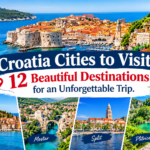
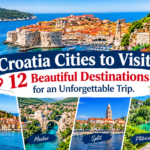







































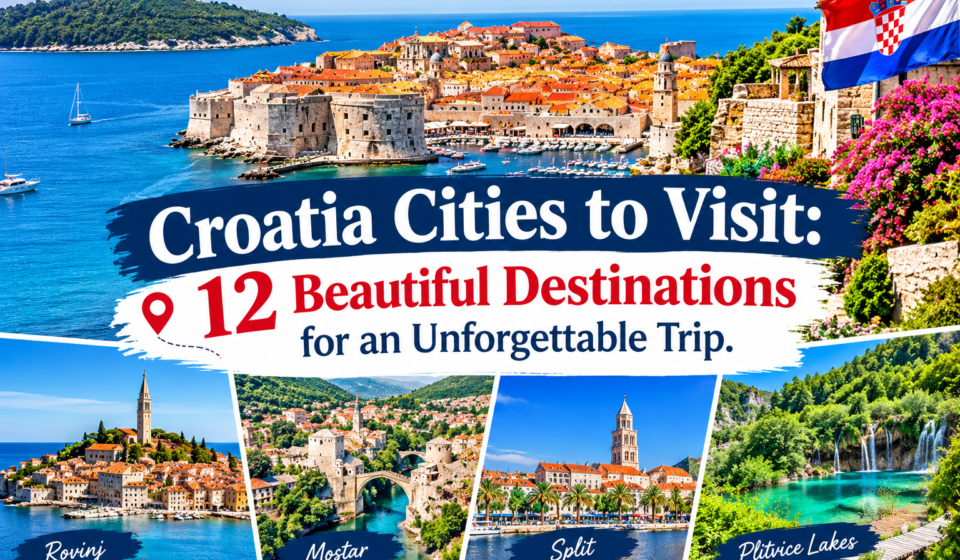

Croatia is one of Europe’s most beautiful travel destinations, attracting visitors with its stunning Adriatic coastline, historic towns, crystal-clear waters, charming streets, and fascinating cultural heritage. From ancient Roman landmarks to medieval architecture and picturesque seaside promenades, the country offers something special for every type of traveler. Whether you enjoy exploring historic attractions, relaxing on beautiful beaches, discovering local food, or experiencing lively city life, Croatia has plenty of destinations worth adding to your itinerary.
Choosing the right Croatia cities to visit can make your vacation even more memorable. Each city offers a different experience, allowing travelers to enjoy coastal scenery, cultural attractions, outdoor adventures, and traditional Croatian hospitality. Some destinations are perfect for history enthusiasts, while others appeal to beach lovers, couples, families, and adventure seekers. This guide explores the most beautiful cities in Croatia, what makes them special, and why they deserve a place on your travel list.
1. Dubrovnik: A Historic Coastal City Worth Exploring
Discover the Beauty of Dubrovnik’s Old Town.
Dubrovnik is one of the most famous cities in Croatia to visit, known for its impressive medieval architecture, historic city walls, and breathtaking views of the Adriatic Sea. Often called the Pearl of the Adriatic, this coastal destination combines centuries of history with beautiful seaside scenery. Its Old Town is a UNESCO World Heritage Site, featuring narrow limestone streets, historic churches, elegant buildings, and charming squares. Walking through its historic center feels like stepping into another period, making it particularly attractive to visitors interested in European history and architecture.
One of the city’s most popular experiences is walking along the ancient Dubrovnik City Walls. These impressive fortifications offer spectacular views of terracotta rooftops, the sparkling coastline, and the surrounding islands. Visitors can also explore Stradun, the city’s main pedestrian street, which is lined with historic buildings, cafes, and shops. Other attractions include Rector’s Palace, Dubrovnik Cathedral, and the Franciscan Monastery. For travelers seeking unforgettable coastal views, Dubrovnik is an excellent starting point for exploring southern Croatia.
Enjoy Beaches, Islands, and Outdoor Activities
Beyond its historic attractions, Dubrovnik offers beautiful beaches and opportunities for outdoor adventures. Banje Beach is a popular place to enjoy the Adriatic Sea while looking toward the Old Town. Visitors can also take boat trips to nearby Lokrum Island, where they can explore botanical gardens, peaceful walking paths, and swimming areas. The island provides a relaxing escape from the busy historic center.
Dubrovnik is also an excellent destination for couples and photography enthusiasts. Sunset views from Mount Srđ are particularly memorable, and visitors can reach the summit by cable car or other available transportation. Although Dubrovnik can become crowded during the summer season, visiting in spring or early autumn can provide a more comfortable sightseeing experience. Travelers should allow at least two full days to explore the city’s main attractions.
2. Split: A Perfect Combination of History and Beach Life
Explore Diocletian’s Palace and Historic Streets
Split is another essential destination for anyone planning to explore Croatia. Located along the Dalmatian Coast, this lively city is particularly famous for Diocletian’s Palace, an extraordinary Roman complex that forms the heart of its historic center. Built for the Roman emperor Diocletian in the fourth century, the palace is one of the country’s most important historical attractions. Today, its ancient walls contain residential buildings, restaurants, shops, and narrow pedestrian streets.
Visitors can explore the palace’s underground cellars, admire the Cathedral of Saint Domnius, and enjoy the lively atmosphere of Peristyle Square. The surrounding Old Town offers plenty of opportunities to discover local culture, enjoy Croatian cuisine, and browse small independent shops. Split is also known for its beautiful Riva waterfront promenade, where visitors can sit at outdoor cafes and watch boats moving through the harbor. The combination of ancient history and modern Mediterranean life makes the city especially appealing.
Relax on Beaches and Explore Nearby Islands
Split is not only a destination for history lovers but also an excellent base for coastal adventures. Bačvice Beach is one of the best-known beaches in the city, attracting visitors who enjoy swimming and relaxing near the waterfront. Other coastal areas provide quieter alternatives for travelers seeking a peaceful beach experience.
The city also serves as an important departure point for island excursions. Visitors can organize boat trips to Hvar, Brač, and other nearby destinations. These islands offer beautiful beaches, traditional villages, and impressive coastal landscapes. Split is particularly suitable for travelers who want to combine sightseeing with swimming, island hopping, and nightlife. Spending two or three days in the city provides enough time to experience its main attractions and enjoy the surrounding coastline.
3. Zagreb: Croatia’s Cultural and Historical Capital
Experience Museums, Architecture, and City Attractions
Zagreb offers a different experience from Croatia’s famous coastal destinations. As the country’s capital, it is known for its historic architecture, cultural institutions, green spaces, and lively urban atmosphere. Located in northwestern Croatia, Zagreb is an excellent destination for travelers interested in museums, galleries, traditional markets, and everyday Croatian culture.
The city is divided into several interesting areas, including Upper Town and Lower Town. Upper Town features historic streets, St. Mark’s Church, and beautiful viewpoints overlooking the surrounding city. Lower Town is known for its elegant buildings, parks, museums, and shopping streets. Ban Jelačić Square is an important central meeting point and a convenient place to begin exploring Zagreb. Visitors can also discover the city’s famous Museum of Broken Relationships, which offers a unique collection of personal objects and stories.
Enjoy Green Spaces, Food, and Local Lifestyle
Zagreb is also recognized for its attractive parks and relaxed cafe culture. The Green Horseshoe, a series of connected parks and public spaces, provides beautiful walking routes through the city center. Maksimir Park is another popular destination for outdoor activities, featuring woodland paths, lakes, and open green areas. These spaces offer a refreshing break from sightseeing.
Food lovers can explore Dolac Market, where local vendors sell fresh produce, traditional ingredients, and regional specialties. Zagreb’s restaurants and cafes provide opportunities to experience Croatian dishes alongside international cuisine. Unlike Dubrovnik and Split, Zagreb does not focus primarily on beach tourism. Instead, it offers a deeper introduction to the country’s cultural and urban identity. Travelers can comfortably spend two or three days discovering its main attractions.
4. Zadar: Beautiful Sunsets and Unique Coastal Attractions
Discover the Sea Organ and Greeting to the Sun
Zadar is one of the most interesting cities in Croatia to visit, especially for travelers who appreciate beautiful coastal scenery and unusual attractions. Situated on the Adriatic coast, the city combines ancient Roman remains, medieval churches, modern installations, and a charming historic center. Its location makes it an attractive destination for visitors exploring northern Dalmatia.
Two of Zadar’s most recognizable attractions are the Sea Organ and Greeting to the Sun. The Sea Organ is an architectural installation that uses the movement of seawater to produce musical sounds through specially designed pipes beneath the waterfront steps. Nearby, Greeting to the Sun is a large circular installation that collects solar energy during the day and creates an illuminated display after sunset. Together, these attractions make Zadar’s waterfront one of the city’s most memorable places.
Explore Historic Landmarks and Nearby Natural Attractions
Zadar’s Old Town is filled with fascinating historical landmarks. Visitors can explore the Roman Forum, St. Donatus Church, and the Cathedral of St. Anastasia. Its narrow streets are also home to small restaurants, local shops, and traditional cafes. The city provides an excellent opportunity to experience Croatian coastal culture without the same level of international attention as Dubrovnik.
Nature lovers can use Zadar as a starting point for visiting nearby destinations such as Kornati National Park and Paklenica National Park. These areas offer opportunities for boating, hiking, and exploring beautiful natural landscapes. Zadar is particularly attractive during spring and early autumn when the weather is generally suitable for sightseeing and outdoor activities.
5. Rovinj: A Romantic Destination on the Istrian Coast
Explore Colorful Streets and Venetian Architecture
Rovinj is one of Croatia’s most picturesque coastal towns, located on the western side of the Istrian Peninsula. It is particularly famous for its colorful buildings, narrow cobblestone streets, small harbor, and beautiful waterfront views. Its historic center sits on a peninsula, creating a distinctive atmosphere that attracts couples, photographers, and travelers looking for a relaxing European getaway.
The Church of St. Euphemia is one of Rovinj’s most recognizable landmarks. Its impressive bell tower rises above the surrounding rooftops and provides panoramic views of the Adriatic coastline. Visitors can wander through Grisia Street, explore local art galleries, and discover traditional shops selling handmade products. The town’s architecture also reflects its historical connections with Venice, giving it a distinctive Mediterranean character.
Enjoy Seaside Dining and Relaxing Coastal Experiences
Rovinj offers more than beautiful architecture. Its surrounding coastline features swimming areas, rocky beaches, and scenic spots where visitors can enjoy the clear Adriatic waters. Golden Cape Forest Park is a popular outdoor destination, offering walking and cycling paths surrounded by Mediterranean vegetation. It is an excellent place to spend a peaceful afternoon away from the busier streets.
The town is also known for its seafood restaurants and attractive harbor-side dining experiences. Visitors can enjoy fresh fish, local olive oil, and traditional Istrian specialties. Rovinj is particularly suitable for couples and travelers seeking a slower pace of travel. Two days are generally enough to explore its main attractions, although longer stays allow visitors to discover more of the surrounding Istrian region.
6. Pula: Roman History and Beautiful Beaches
Visit the Famous Roman Arena
Pula is an excellent destination for history enthusiasts visiting Croatia. Located at the southern end of the Istrian Peninsula, the city is particularly famous for its remarkably preserved Roman Amphitheatre, commonly called the Pula Arena. This impressive structure dates back to Roman times and remains one of the most recognizable historical landmarks in the country.
The Pula Arena is among the best-preserved Roman amphitheaters in the world. Visitors can explore its interior, learn about its historical importance, and imagine the public events that once took place there. Other attractions include the Temple of Augustus, the Arch of the Sergii, and the historic Forum. Together, these landmarks reveal the city’s long history and its importance during the Roman period.
Discover Beaches and Istrian Coastal Scenery
Pula also offers several opportunities to enjoy the Adriatic coastline. Nearby areas such as Verudela provide swimming spots, coastal paths, and beautiful sea views. Visitors can explore different beaches, enjoy water activities, or simply relax in the Mediterranean sunshine.
The city is also a convenient base for exploring other parts of Istria. Travelers can organize day trips to nearby towns, discover traditional villages, and sample regional food. Pula is especially suitable for visitors who want to combine historical sightseeing with a coastal holiday. Spending two days in the city provides a comfortable introduction to its attractions.
7. Šibenik: Medieval Architecture and Historic Charm
Explore St. James Cathedral and the Old Town
Šibenik is a beautiful coastal destination that deserves more attention from international travelers. Located along the Dalmatian Coast, the city is famous for its historic architecture, stone streets, and impressive waterfront setting. Its most important attraction is the Cathedral of St. James, a UNESCO World Heritage Site recognized for its remarkable Renaissance architecture and distinctive construction.
The city’s historic center features narrow streets, charming squares, and traditional stone buildings. Visitors can explore St. Michael’s Fortress, which offers impressive views of the surrounding coastline and harbor. Other fortresses, including Barone and St. Nicholas, provide additional opportunities to learn about the city’s defensive history. Šibenik offers a rewarding sightseeing experience for travelers who enjoy exploring historic European towns.
Discover Nearby Islands and National Parks
Šibenik is also a convenient base for visiting some of Croatia’s beautiful natural attractions. Krka National Park is one of the most popular nearby destinations, known for its waterfalls, walking trails, and scenic river landscapes. Visitors can explore designated routes and enjoy the area’s natural beauty.
The nearby Kornati Islands are another attraction worth considering. This group of islands offers beautiful scenery, clear waters, and opportunities for organized boat excursions. Travelers can combine a visit to Šibenik with outdoor activities and coastal exploration, making it an excellent destination for a varied Croatian holiday.
8. Trogir: A Charming UNESCO World Heritage Town
Discover the Historic Old Town
Trogir is a small but remarkable destination on Croatia’s Dalmatian Coast. Located close to Split, it is particularly famous for its well-preserved medieval architecture and historic center, which is recognized as a UNESCO World Heritage Site. The town is situated on a small island connected to the mainland and nearby Čiovo Island by bridges.
Its historic streets are filled with stone buildings, charming courtyards, and traditional architecture. The Cathedral of St. Lawrence is one of the most important landmarks, particularly known for its impressive Romanesque portal. Visitors can also explore Kamerlengo Fortress, the waterfront promenade, and the central town square. Trogir’s compact layout makes it easy to explore on foot.
Enjoy Waterfront Views and a Relaxed Atmosphere
The waterfront is one of the most enjoyable areas of Trogir. Visitors can walk along the harbor, enjoy outdoor dining, and watch boats arriving and departing. The nearby beaches on Čiovo Island provide opportunities for swimming and relaxing beside the Adriatic Sea.
Because of its location, Trogir is easy to combine with a visit to Split. Travelers can explore its main attractions during a day trip or stay overnight to experience its quieter evening atmosphere. It is particularly suitable for couples, history enthusiasts, and visitors who prefer smaller destinations.
9. Makarska: A Beautiful City for Beach Lovers
Experience the Makarska Riviera
Makarska is one of the most attractive destinations along Croatia’s Adriatic coastline. Located between Split and Dubrovnik, it is famous for its beautiful beaches, clear waters, and dramatic Biokovo mountain scenery. The city is an important part of the Makarska Riviera, a coastal region known for its attractive seaside communities and Mediterranean landscapes.
Makarska’s waterfront promenade is lined with cafes, restaurants, and palm trees, creating a pleasant atmosphere for visitors. The main beach is particularly popular during summer, offering opportunities for swimming, sunbathing, and water activities. Visitors can also explore the historic town center, visit St. Mark’s Church, and discover the local harbor.
Enjoy Outdoor Adventures and Mountain Views
One of Makarska’s biggest attractions is its proximity to Biokovo Nature Park. This mountainous area provides hiking opportunities and spectacular views over the Adriatic Sea. Skywalk Biokovo is a particularly popular attraction, featuring a glass viewing platform that extends over the landscape.
Makarska is a great choice for travelers who want to combine beach relaxation with outdoor adventure. Its coastal setting makes it particularly attractive during summer, while spring and early autumn are excellent periods for hiking and exploring the surrounding area.
10. Opatija: Elegant Architecture and Seaside Relaxation
Experience Croatia’s Historic Resort Town
Opatija is a charming seaside destination in the Kvarner region, known for its elegant architecture, historic villas, and landscaped gardens. It developed as an important coastal resort during the Austro-Hungarian period and continues to attract travelers seeking a peaceful and sophisticated holiday experience.
The city features beautiful historic buildings, attractive parks, and scenic coastal views. Villa Angiolina is one of its best-known historic landmarks, while the surrounding gardens provide peaceful places to relax. The Lungomare coastal promenade is another highlight, connecting Opatija with nearby coastal communities through a scenic walking route.
Enjoy Coastal Walks and Traditional Dining
Opatija is particularly appealing to visitors who enjoy leisurely coastal experiences. The Lungomare provides opportunities to admire the sea, discover small waterfront areas, and enjoy the region’s natural beauty. The city’s restaurants and cafes offer a variety of local dishes, seafood, and traditional Croatian specialties.
Unlike some of Croatia’s busier summer destinations, Opatija is also attractive outside the main beach season. Visitors can enjoy its parks, historic architecture, and coastal atmosphere throughout much of the year. Two days provide enough time to explore the main attractions and enjoy a relaxed stay.
11. Korčula Town: Island Beauty and Medieval Streets
Explore the Historic Island Town
Korčula Town is a beautiful destination on Korčula Island, known for its medieval streets, stone architecture, and coastal atmosphere. Often associated with traditional maritime history, the town offers a peaceful alternative to Croatia’s larger tourist centers. Its historic center is particularly attractive, with narrow streets arranged in a distinctive pattern designed to help manage the effects of wind and sunlight.
Visitors can explore St. Mark’s Cathedral, admire historic stone buildings, and walk along the town’s waterfront. The island also has a strong cultural identity, with traditional performances, local crafts, and regional food contributing to its appeal. Korčula is an excellent destination for travelers who want to experience island life alongside Croatian history.
Discover Beaches, Vineyards, and Island Scenery
Beyond the historic center, Korčula Island offers beautiful beaches, small villages, and vineyards. Visitors can enjoy swimming, cycling, and exploring the island’s scenic countryside. Local wineries provide opportunities to discover regional wines and learn about traditional grape-growing practices.
Korčula Town is particularly attractive to couples and travelers seeking a peaceful island holiday. It can be reached through ferry connections, although schedules and routes vary depending on the season. Spending two or three days on the island allows visitors to enjoy both its historic center and surrounding natural scenery.
12. Hvar Town: Island Luxury and Vibrant Nightlife
Explore Historic Squares and Coastal Views
Hvar Town is one of the most recognizable destinations in Croatia, famous for its beautiful harbor, historic architecture, and lively Mediterranean atmosphere. Located on Hvar Island, the town attracts visitors interested in beaches, cultural attractions, sailing, and nightlife.
The main square, known as St. Stephen’s Square, is surrounded by historic buildings and traditional cafes. Visitors can explore St. Stephen’s Cathedral, walk through the old streets, and visit the Spanish Fortress for panoramic views of the harbor and surrounding islands. Its combination of history and coastal beauty makes Hvar Town a memorable addition to any Croatian itinerary.
Enjoy Beaches, Boat Trips, and Nightlife
Hvar is particularly popular with travelers who enjoy outdoor activities and lively evenings. The surrounding coastline offers swimming areas, small beaches, and opportunities for boating. Visitors can also arrange excursions to the nearby Pakleni Islands, a beautiful group of islands known for clear waters and attractive bays.
During summer, Hvar Town becomes especially lively, with restaurants, beach clubs, and entertainment attracting international visitors. Travelers seeking a quieter experience may prefer visiting during late spring or early autumn. Hvar is an excellent choice for couples, groups of friends, and island enthusiasts.
Best Croatia Cities to Visit: A Quick Comparison
Choosing between Croatia’s destinations depends on your travel interests, available time, and preferred holiday experience. Some cities are ideal for exploring historical landmarks, while others are better suited to beach vacations, outdoor adventures, and peaceful coastal escapes.
| City | Best For | Recommended Stay |
|---|---|---|
| Dubrovnik | History and architecture | 2–3 days |
| Split | History and island hopping | 2–3 days |
| Zagreb | Culture and museums | 2–3 days |
| Zadar | Sunsets and coastal attractions | 2 days |
| Rovinj | Romantic escapes | 2 days |
| Pula | Roman history and beaches | 2 days |
| Šibenik | Historic architecture and nature | 1–2 days |
| Trogir | Medieval streets and sightseeing | 1 day |
| Makarska | Beaches and mountain scenery | 2–3 days |
| Opatija | Coastal relaxation | 2 days |
| Korčula Town | Island exploration | 2–3 days |
| Hvar Town | Nightlife and island activities | 2–3 days |
These suggested stays are flexible rather than fixed. Travelers with additional time can explore nearby villages, national parks, beaches, and islands. Combining destinations within the same geographical region can also make transportation easier.
Best Time to Visit Croatia
Croatia is a year-round destination, but the best time to visit depends on the type of holiday you prefer. The summer months of June, July, and August are particularly popular for beach vacations, island hopping, sailing, and outdoor dining. Coastal cities such as Dubrovnik, Split, and Hvar experience their busiest tourist periods during this season. Visitors should expect higher accommodation prices and larger crowds at major attractions.
Spring and early autumn are excellent alternatives for travelers who prefer comfortable sightseeing conditions and fewer crowds. April, May, September, and October can be particularly enjoyable for exploring historic cities and natural attractions. Winter is generally quieter, especially along the coast, while Zagreb offers seasonal cultural activities and Christmas celebrations. Planning your trip around your preferred activities can help you choose the most suitable travel dates.
Conclusion
Croatia offers an impressive variety of destinations, making it one of the most rewarding countries to explore in Europe. From the historic streets of Dubrovnik and the Roman attractions of Split to the cultural atmosphere of Zagreb and the beautiful waterfront of Zadar, every destination provides a different travel experience. Coastal towns such as Rovinj, Trogir, and Makarska offer opportunities to enjoy traditional architecture, relaxing beaches, and beautiful Mediterranean scenery.
When choosing the best Croatia cities to visit, consider your interests, budget, and available travel time. History enthusiasts may prefer Dubrovnik, Split, and Pula, while beach lovers can explore Hvar, Makarska, and Korčula. Travelers interested in culture and city life should consider Zagreb, while those seeking a quieter escape may enjoy Opatija and Rovinj. With thoughtful planning, you can create an unforgettable Croatian vacation filled with history, natural beauty, delicious food, and memorable coastal experiences.
