















































A month-long European tour is an unforgettable way to discover the continent’s diverse cultures, historic cities, beautiful landscapes, and world-famous attractions. With approximately 30 days available, travelers can experience everything from the romantic streets of Paris and the historic landmarks of Rome to the Alpine scenery of Switzerland and the charming villages of Austria. Unlike a short vacation, a month-long journey allows you to explore multiple destinations at a comfortable pace, enjoy local cuisine, and experience everyday European life beyond the usual tourist attractions.
Planning successful month-long European tours requires careful consideration of your budget, preferred destinations, transportation options, accommodation, and travel style. Some travelers prefer an organized tour with professional guides and prearranged hotels, while others enjoy independent travel with flexible itineraries. Whether you are planning your first European adventure, a romantic getaway, a family vacation, or an extended cultural journey, the right itinerary can help you make the most of every day.
This comprehensive guide explains how to plan a 30-day European adventure, which countries to include, how much to budget, and what practical details to consider before departure.
Why Choose Month-Long European Tours?
Month-long European tours offer an opportunity to explore several countries without rushing through every destination. A weekend in a major city may provide enough time to see a few famous landmarks, but a longer trip allows visitors to discover museums, historic neighborhoods, traditional restaurants, scenic countryside, and lesser-known attractions. Travelers can also spend additional time in places they particularly enjoy instead of moving to a new destination every day.
Another major advantage is the variety of experiences available within one trip. Europe offers medieval castles, ancient Roman ruins, coastal villages, mountain resorts, modern shopping districts, and peaceful rural communities. Visitors can travel between these different environments using trains, buses, ferries, and occasional flights. With thoughtful planning, a single month can combine cultural exploration, outdoor adventures, relaxation, and memorable food experiences.
Month-long travel can also offer better value when accommodation and transportation are booked strategically. Weekly apartment rentals, advance train reservations, and carefully selected regional routes may help control expenses. However, longer trips require more planning than short vacations, particularly when crossing borders, managing luggage, and arranging accommodation for several weeks.
Best European Countries to Include in a 30-Day Tour
Choosing the right countries is one of the most important decisions when planning a month-long European vacation. Rather than attempting to visit every major destination, focus on a manageable group of countries connected by convenient transportation routes.
France: Art, Food, and Romantic Cities
France is an excellent starting point for many European itineraries because of its famous landmarks, efficient rail connections, and varied landscapes. Paris offers the Eiffel Tower, the Louvre, historic neighborhoods, riverside walks, and celebrated French cuisine. Travelers can spend several days exploring the capital before continuing to other regions.
Beyond Paris, destinations such as Lyon, Nice, and the Loire Valley offer different perspectives on French culture. Lyon is known for its food traditions, while Nice provides Mediterranean beaches and coastal scenery. The Loire Valley is particularly appealing to visitors interested in historic châteaux and countryside villages. Spending four to six days in France gives travelers time to experience more than the capital alone.
Italy: History, Architecture, and Italian Cuisine
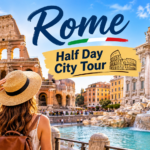
Italy is one of the most rewarding destinations for a longer European trip. Rome features the Colosseum, the Roman Forum, and Vatican City, while Florence is celebrated for Renaissance art and architecture. Venice offers canals, historic squares, and distinctive island neighborhoods that feel different from other European cities.
Travelers can also explore the Amalfi Coast, Tuscany, or smaller towns that provide a slower pace. Around six days in Italy may be enough for two or three major destinations, although visitors who love history, art, and food could comfortably spend longer. Booking popular attractions in advance can reduce waiting times during busy travel seasons.
Switzerland: Mountains, Lakes, and Scenic Railways
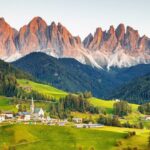
Switzerland is ideal for travelers who want to balance city sightseeing with outdoor scenery. Lucerne combines a historic old town with beautiful lake views, while Interlaken provides access to mountain excursions and nearby villages. The Lauterbrunnen Valley is particularly attractive for its waterfalls, green meadows, and dramatic Alpine landscapes.
Swiss travel can be more expensive than travel in many neighboring countries, so it is worth budgeting carefully for hotels, meals, mountain railways, and cable cars. Three or four days can provide a memorable introduction to the country. Visitors who enjoy hiking or mountain photography may prefer to stay longer and explore the region at a relaxed pace.
Austria and the Czech Republic: Historic Charm
Austria and the Czech Republic are strong additions to month-long European tours because they offer historic architecture, cultural attractions, and convenient connections between major cities. Vienna is known for its imperial palaces, museums, concert halls, and traditional coffeehouses. Salzburg attracts visitors with its old town, musical heritage, and nearby mountain scenery.
Prague offers a picturesque historic center, Charles Bridge, Prague Castle, and a lively dining scene. These destinations can provide a more affordable experience than some of Western Europe’s most expensive tourist centers, although prices vary by season and neighborhood. Allowing two or three days for each city creates room for sightseeing without making the itinerary overly demanding.
A Sample 30-Day European Tour Itinerary
A well-balanced itinerary should combine major capitals with a few smaller destinations. The following route is designed for travelers who want to experience Western and Central Europe in one month while avoiding unnecessary backtracking.
Days 1–4: Paris, France
Visit the Eiffel Tower, Louvre Museum, Montmartre, and Notre-Dame area. Enjoy French cafés, stroll along the Seine, and take a day trip to Versailles if it suits your interests.
Days 5–7: Amsterdam, Netherlands
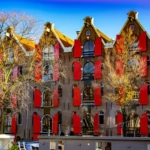
Explore the canal district, visit a museum, discover local markets, and enjoy the city’s walkable neighborhoods. Reserve time for a relaxed canal cruise.
Days 8–11: Lucerne and the Swiss Alps
Explore Lucerne’s old town, take in the lake scenery, and choose a mountain excursion based on weather, budget, and fitness level.
Days 12–14: Vienna, Austria
Discover Schönbrunn Palace, historic cafés, art museums, and classical music venues. Enjoy the city’s architecture and traditional food.
Days 15–17: Prague, Czech Republic
Walk across Charles Bridge, explore Prague Castle, and discover the Old Town. Spend an evening sampling Czech cuisine.
Days 18–20: Venice, Italy
Explore the canals, St. Mark’s Square, and quieter residential streets. Consider a half-day visit to one of the nearby islands.
Days 21–23: Florence, Italy
Visit Renaissance landmarks, explore art collections, and enjoy Tuscan cuisine. A countryside excursion is an option for travelers who want to see more of the region.
Days 24–28: Rome, Italy
Discover the Colosseum, Roman Forum, Vatican Museums, and historic piazzas. Keep some time free for restaurants, shopping, and unplanned exploration.
Days 29–30: Lake Como, Italy
Finish with lakeside walks, scenic views, and a relaxing meal. Alternatively, return to your departure city if your international flight requires it.
This itinerary is a starting point rather than a fixed schedule. Travel times, connections, and your departure airport may make another order more practical. Switzerland and Italy offer particularly rewarding scenery, while Amsterdam, Vienna, and Prague provide a strong mix of history and urban culture.
How Much Do Month-Long European Tours Cost?
The cost of a 30-day European vacation depends on the countries you visit, accommodation standards, transportation choices, season, and the number of paid attractions you include. Western European capitals and Switzerland can be expensive, while some Central and Eastern European destinations may offer lower accommodation and dining costs.
The following figures are broad planning estimates in US dollars per person for 30 days, excluding international flights. They are illustrative rather than live quotes, and actual prices can vary considerably.
| Expense category | Budget traveler | Mid-range traveler |
|---|---|---|
| Accommodation | $900–$1,800 | $2,100–$4,200 |
| Food and drinks | $600–$1,050 | $1,200–$2,100 |
| Local and intercity transport | $400–$850 | $700–$1,300 |
| Attractions and activities | $250–$500 | $500–$900 |
| Miscellaneous expenses | $200–$400 | $300–$600 |
| Estimated total | $2,350–$4,600 | $4,800–$9,100 |
These estimates assume economical or shared accommodation for budget travelers and generally private hotel rooms for mid-range travelers. They do not include every possible expense, such as comprehensive travel insurance, visa fees, major shopping purchases, or premium guided excursions. Luxury tours can cost substantially more.
Ways to Reduce Your European Travel Costs
Booking accommodation and long-distance transportation early can help you avoid higher last-minute prices. Staying three or four nights in one place rather than changing hotels every day may also reduce transport expenses and give you more time to explore. Consider guesthouses, hostels with private rooms, apartment rentals, and hotels slightly outside the busiest tourist districts.
Food is another area where small decisions can create meaningful savings. Visit local bakeries, supermarkets, and casual restaurants for everyday meals, then reserve more expensive dining experiences for special occasions. Many cities have free walking routes, public parks, churches with free entry, and museums with specific free-admission periods. Always check current ticket conditions before building your schedule around them.
Organized European Tours vs. Independent Travel
Travelers planning a month in Europe generally choose between an organized tour, a self-guided itinerary, or a combination of the two. Each approach has advantages, and the right option depends on your experience, budget, and preference for flexibility.
Benefits of Organized Month-Long Tours
Organized tours can simplify a complicated trip by arranging hotels, transport, sightseeing, and sometimes meals. A professional tour leader can explain historical sites, manage group logistics, and help travelers navigate unfamiliar destinations. This arrangement is particularly helpful for first-time visitors, solo travelers who prefer group company, and people who do not want to research every transfer themselves.
However, organized tours may have fixed schedules, limited free time, and additional costs for optional excursions. Before booking, check exactly what the price includes, the size of the group, hotel standards, luggage arrangements, and whether international flights are covered. A 30-day tour may also feel tiring if the schedule includes frequent early departures and short overnight stays.
Advantages of Self-Guided European Travel
Independent travel gives you control over your itinerary. You can spend longer in a city you love, skip attractions that do not interest you, and change plans when the weather or your energy levels suggest a different activity. Travelers can also choose accommodations and dining experiences according to their personal preferences.
The main challenge is that independent trips require more preparation. You must coordinate train departures, hotel check-ins, sightseeing reservations, and border or entry requirements. A practical compromise is to arrange your major transportation and first few hotel stays in advance while leaving some afternoons and selected days flexible.
Best Time to Plan Month Long European Tours
The best time for a month-long European trip depends on your priorities. Some travelers want warm weather and long daylight hours, while others prefer fewer crowds, lower prices, or snowy mountain scenery. Europe spans different climate zones, so weather conditions can vary between Mediterranean coastlines, northern cities, and Alpine regions during the same month.
Spring: March Through May
Spring is an appealing time to explore European cities, gardens, and historic attractions. Temperatures generally become milder as the season progresses, and parks begin to bloom. April and May can be particularly pleasant for walking tours, outdoor cafés, and sightseeing in France, Italy, and Central Europe.
However, spring weather can be unpredictable, especially in March and early April. Mountain destinations may still have snow, and some seasonal attractions operate on limited schedules. Pack layers and a waterproof jacket, and check local conditions before arranging outdoor activities.
Summer: June Through August
Summer offers long daylight hours, lively city centers, outdoor festivals, and excellent opportunities for coastal holidays. It is especially attractive for travelers who want to combine sightseeing with beaches, hiking, and scenic train journeys. Families may also find summer convenient because of school holidays.
The main disadvantages are larger crowds, higher accommodation prices, and hot weather in some southern European cities. Popular attractions can sell out in advance, so reserve major museum visits and important train journeys early. If possible, explore famous landmarks early in the morning and spend the hottest part of the afternoon in shaded areas or museums.
Autumn: September Through November
Early autumn is often an excellent period for month long European tours. September can offer pleasant temperatures, attractive landscapes, and fewer summer crowds in many destinations. Italy and France are particularly appealing for travelers interested in food, wine-country scenery, and cultural experiences.
October and November can bring cooler temperatures and shorter days, while some mountain businesses and coastal attractions reduce their operating schedules. The advantage is that certain destinations become quieter, making it easier to enjoy historic districts and museums at a relaxed pace.
Winter: December Through February
Winter is suitable for travelers interested in Christmas markets, festive city decorations, winter sports, and atmospheric historic towns. Vienna and Prague are popular choices for seasonal markets, while the Alps attract skiers and visitors seeking snowy scenery.
Daylight is shorter, some outdoor attractions are less convenient, and weather disruptions can affect transportation. Winter travelers should pack warm clothing and waterproof footwear. Those planning a Christmas or New Year trip should also reserve accommodation and popular experiences early.
Transportation Tips for Traveling Around Europe
Transportation planning is essential when visiting multiple countries in one month. Europe has extensive rail and bus networks, although journey times, prices, and service frequency differ by route. Selecting destinations that connect naturally can save money and reduce the fatigue associated with repeated transfers.
Use Trains for Convenient City-to-City Travel
Trains are a practical choice for many journeys between major European cities. They often connect city centers, allowing passengers to avoid the extra transfers required when flying between airports and downtown areas. High-speed services can make journeys between selected destinations especially convenient.
Compare individual tickets with regional or multi-country rail passes before purchasing. A rail pass is not automatically cheaper, and some services require seat reservations or additional fees. Check the exact route, travel date, and reservation conditions before deciding which option offers the best value.
Consider Buses and Budget Airlines
Long-distance buses can be economical for travelers with flexible schedules and limited budgets. However, journeys may take longer than trains, and overnight travel can affect your energy for sightseeing. Compare baggage allowances, station locations, and total journey time instead of choosing solely on ticket price.
Budget airlines can be useful for longer distances or destinations that are inconvenient to reach by rail. Remember to account for airport transfers, baggage fees, check-in requirements, and possible delays. For trips of approximately one month, a mixture of trains, buses, and occasional flights is often more practical than relying on just one transportation method.
Avoid Changing Hotels Too Frequently
Every hotel change involves packing, checking out, traveling, and checking in again. Although moving frequently may seem like a way to see more, it can consume valuable sightseeing time. Staying at least two or three nights in most major destinations creates a more comfortable pace.
Travelers can also use a central city as a base for nearby attractions. For example, Florence can serve as a starting point for selected Tuscan excursions, while Lucerne provides access to several Swiss lakeside and mountain destinations. Before adding a day trip, compare the total travel time with the time available at the destination.
Essential Travel Documents and Preparation
A successful European vacation begins before departure. International travelers should confirm passport validity, entry permissions, accommodation details, and travel insurance requirements well in advance. Requirements depend on nationality, the purpose of travel, and the countries included in the itinerary.
Check Visa and Entry Requirements
Many European destinations participate in the Schengen Area, which generally permits eligible visitors to travel across participating countries under a common short-stay framework. However, entry rules vary according to passport nationality, and some European countries are outside the Schengen Area.
Check official government or consular guidance for each relevant country before booking nonrefundable arrangements. Eligible non-EU visitors generally need to observe the Schengen short-stay limit of 90 days in any rolling 180-day period across the Schengen Area. A 30-day holiday will normally fall within this limit, but previous trips and individual circumstances can affect eligibility.
Travelers should also monitor the latest entry-system changes and any applicable authorization requirements. Do not assume that a hotel booking or an onward ticket automatically guarantees admission.
Arrange Travel Insurance
Travel insurance can help protect against certain unexpected costs, including covered medical emergencies, trip cancellations, travel interruptions, and lost baggage. Policy coverage and exclusions differ, so read the terms carefully before purchasing.
Make sure your chosen policy covers your complete travel period and all planned activities. Travelers planning skiing, hiking, or other higher-risk activities should confirm whether special coverage is necessary. Keep a digital and printed copy of important policy information so you can access it when needed.
Prepare Digital and Physical Copies
Store copies of your passport identification page, travel insurance details, hotel reservations, transportation tickets, and emergency contacts securely. Keep the originals protected and separate from backup copies. Download maps, boarding passes, and relevant tickets for offline access where possible.
It is also helpful to notify your bank about international travel if required, check foreign transaction fees, and carry a payment backup. A modest amount of local cash can be useful for small purchases, although card acceptance is widespread in many tourist areas.
What to Pack for a Month in Europe
Packing for 30 days requires balancing comfort, versatility, and luggage weight. You do not need 30 different outfits. Instead, choose clothing that can be mixed and matched, washed during the trip, and adapted to changing weather.
Comfortable walking shoes should be a priority because many European destinations involve cobblestone streets, stairs, museums, and extended walking days. Pack lightweight layers, a waterproof outer layer, a few versatile outfits, and appropriate clothing for any religious or cultural sites you plan to visit.
A small day bag, reusable water bottle, portable charger, travel adapter compatible with your destinations, toiletries, and essential medications can make daily travel easier. Keep valuable items secure in crowded areas, particularly on public transport and around popular attractions.
If you expect to do laundry during the trip, pack enough clothing for roughly a week rather than an entire month. This approach makes it easier to move between train stations, hotels, and airports without managing excessive luggage. Check baggage restrictions before flying, especially when using low-cost airlines.
How to Make Your European Tour More Enjoyable
A month-long trip should include more than a checklist of famous landmarks. Leaving room for spontaneous discoveries can make the experience more memorable. You might find a local food market, attend a neighborhood festival, explore a small museum, or spend an afternoon watching everyday life from a café terrace.
Try regional dishes and learn a few polite phrases in the languages spoken at your destinations. Basic greetings, requests for assistance, and expressions of thanks can make interactions more pleasant. Respect local customs, follow posted rules at historic sites, and check photography restrictions in museums and religious buildings.
Most importantly, plan around your personal interests rather than trying to imitate someone else’s itinerary. Art lovers may prefer longer stays in Paris and Florence, while outdoor enthusiasts may devote more time to Switzerland and the Austrian Alps. Families may benefit from fewer hotel changes, and solo travelers may enjoy guided walking tours that provide both local insight and opportunities to meet people.
Build occasional rest periods into the schedule. A full month of sightseeing can become exhausting without slower days, particularly when travel involves long train journeys and crowded attractions. A flexible itinerary makes it easier to adjust when the weather changes or you discover a destination worth exploring more deeply.
Conclusion
Month long European tours provide an incredible opportunity to experience Europe’s history, landscapes, architecture, food, and cultural diversity in one extended vacation. From Paris’s famous landmarks and Switzerland’s spectacular mountains to Prague’s medieval streets and Italy’s historic cities, a thoughtfully planned 30-day journey can offer a rewarding combination of adventure and relaxation. The key is to select destinations that match your interests, organize convenient transportation, and allow enough time to appreciate each place rather than rushing through every attraction.
Before departing, establish a realistic budget, confirm visa and entry requirements, arrange suitable travel insurance, and reserve essential transportation and accommodation. Decide whether an organized tour or independent travel better suits your needs, and leave some room for spontaneous experiences. With the right preparation and a flexible schedule, month long European tours can become a memorable journey filled with new discoveries, meaningful cultural experiences, and lasting travel memories.
