















































Italy is one of the most rewarding destinations for travelers who want to explore at their own pace. From the historic streets of Rome and the Renaissance beauty of Florence to the colorful coastal villages of Cinque Terre and the romantic canals of Venice, the country offers countless opportunities for independent discovery. Self-guided tours of Italy allow visitors to experience these remarkable destinations without following a fixed group schedule or paying for a private guide throughout the trip. Travelers can choose their own routes, spend more time at favorite attractions, and discover local restaurants, historic neighborhoods, and hidden gems along the way.
Whether you are planning your first European vacation, a romantic getaway, a cultural journey, or a budget-friendly adventure, Italy offers self-guided experiences for almost every travel style. With reliable trains, walkable city centers, scenic driving routes, and useful travel apps, organizing an independent Italian adventure is easier than many people expect. The key is choosing the right itinerary, understanding transportation costs, booking popular attractions in advance, and leaving enough time to enjoy each destination.
This guide explores the best self-guided routes in Italy, expected travel expenses, transportation options, practical planning advice, and expert tips to help you create a memorable Italian vacation.
What Are Self-Guided Tours of Italy?
Self-guided tours of Italy are independent travel experiences in which visitors explore destinations using their own itinerary rather than joining a traditional guided group. Travelers decide where to go, which attractions to visit, how long to stay, and when to move to the next destination. They can use printed maps, smartphone navigation, downloadable audio guides, travel apps, or preplanned itineraries to learn about the places they visit.
Unlike fully organized tours, self-guided travel provides greater flexibility. You might spend a morning exploring ancient Roman ruins, enjoy a leisurely lunch at a neighborhood trattoria, and spend the afternoon wandering through local markets. There is no need to keep up with a group or rush through attractions simply because the schedule demands it.
Why Choose a Self-Guided Italian Adventure?
Independent travel is particularly appealing in Italy because many major destinations are connected by an extensive railway network, and historic centers are often best explored on foot. Travelers can combine famous landmarks with smaller experiences, such as visiting a family-run bakery, walking through a quiet village, or watching the sunset from a scenic viewpoint.
Self-guided tours can also suit a wide range of budgets. Visitors may choose affordable guesthouses, public transportation, and free walking routes, or invest in boutique hotels, regional food experiences, and premium attraction tickets. The flexibility to make these decisions independently is one of the greatest advantages of traveling without a traditional tour group.
However, independent travel requires some preparation. Travelers must organize transportation, manage reservations, check opening hours, and understand local rules. Planning these details before departure helps make the journey smoother and leaves more time for enjoying Italy itself.
Best Self Guided Tours of Italy: Top Routes to Consider
Italy offers several excellent routes for independent travelers. The best choice depends on the length of your trip, preferred activities, transportation budget, and interest in history, food, architecture, or nature. First-time visitors often benefit from combining two or three major cities rather than attempting to cover the entire country in a single vacation.
Route One: Rome, Florence, and Venice
The classic Rome–Florence–Venice itinerary is one of the best self-guided tours of Italy for first-time visitors. It introduces travelers to ancient Roman history, Renaissance art, and the distinctive atmosphere of a historic canal city. The three destinations are connected by frequent high-speed trains, making it possible to travel between them without renting a car.
Begin in Rome, where you can explore the Colosseum, Roman Forum, Pantheon, Trevi Fountain, and Vatican City. Continue to Florence for the Duomo, Ponte Vecchio, Piazza della Signoria, and the city’s renowned art collections. Finish in Venice by exploring St. Mark’s Square, the Rialto Bridge, and the quieter streets of its historic neighborhoods.
A comfortable itinerary takes seven to ten days, with three days in Rome, two or three in Florence, and two in Venice. Travelers with less time can shorten their stays, although rushing between destinations may reduce the enjoyment of the experience.
Route Two: The Amalfi Coast and Southern Italy
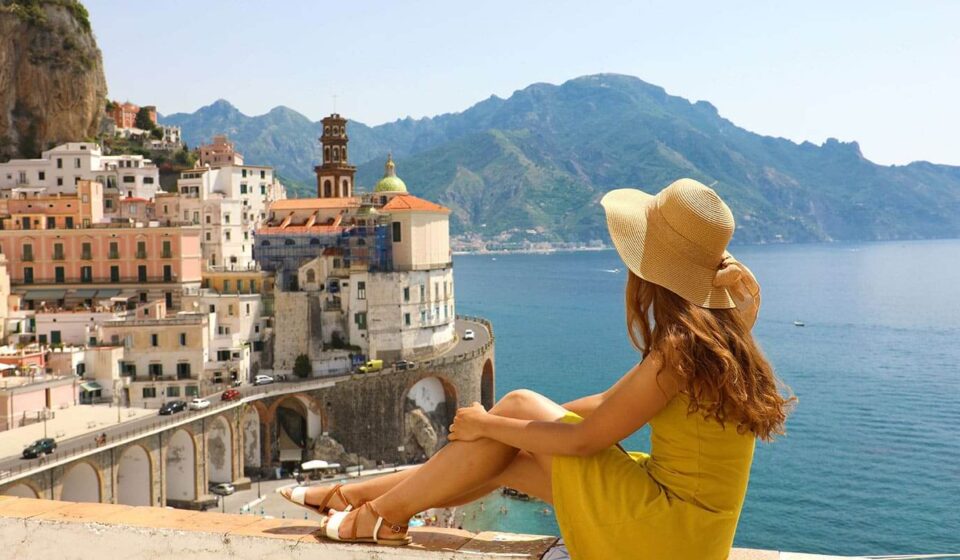
The Amalfi Coast is ideal for travelers seeking dramatic coastal views, Mediterranean food, historic towns, and relaxing seaside experiences. Popular destinations include Sorrento, Positano, Amalfi, and Ravello. Each offers a different perspective on southern Italy, from busy waterfront streets to peaceful gardens overlooking the sea.
A self-guided itinerary can begin in Naples, continue to Sorrento, and then explore the coastal towns using regional buses, ferries when operating, and local transport. Travelers can also use walking routes to discover viewpoints and quieter neighborhoods. Because coastal roads can become congested, relying entirely on a rental car is not always the most convenient option.
Allow five to seven days to enjoy the region without rushing. Summer brings beautiful weather but also larger crowds and higher accommodation prices. Spring and early autumn can offer a more comfortable balance between sightseeing conditions and visitor numbers.
Route Three: Tuscany’s Countryside and Medieval Towns
Tuscany is one of the strongest choices for travelers who enjoy scenic drives, wine-country landscapes, medieval architecture, and traditional Italian cuisine. Its countryside contains rolling hills, vineyards, olive groves, historic farmhouses, and small towns that reward slower exploration.
Florence makes a convenient starting point. From there, travelers can visit Siena, San Gimignano, Lucca, Montepulciano, and other destinations depending on their interests. A rental car offers greater freedom in rural areas where public transportation may be limited, while organized day trips or regional buses can work well for selected towns.
Spend four to six days exploring Tuscany if you want time for both city sightseeing and countryside experiences. Staying in an agriturismo, a working farm that offers accommodation, can provide a memorable alternative to hotels in major cities.
Route Four: Milan, Lake Como, and Northern Italy
Northern Italy combines sophisticated cities, mountain scenery, lakeside villages, and excellent rail connections. Milan is a convenient starting point, with attractions such as the Duomo di Milano, Galleria Vittorio Emanuele II, and the historic district surrounding the city’s major landmarks.
From Milan, travelers can continue to Lake Como for waterfront walks, boat trips, and picturesque towns such as Bellagio and Varenna. Depending on the season, the itinerary can also include Verona, Bologna, or the Dolomites.
A five- to seven-day trip works well for Milan and Lake Como, while adding the Dolomites requires more time and transportation planning. This route is especially appealing to travelers who want to combine urban sightseeing with nature.
Route Five: Cinque Terre and the Italian Riviera
Cinque Terre consists of five famous coastal villages: Monterosso al Mare, Vernazza, Corniglia, Manarola, and Riomaggiore. The region is known for its colorful buildings, terraced hillsides, seaside paths, and small harbors.
Trains connect the villages, making independent exploration relatively straightforward. Visitors can spend the morning walking through one village, stop for lunch overlooking the water, and visit another in the afternoon. Certain hiking trails require tickets or passes, and access can be affected by weather or maintenance, so check current conditions before setting out.
Two or three days is a reasonable amount of time for a relaxed visit. Travelers who want additional beach time, longer hikes, or excursions along the Ligurian coast may prefer four days.
How Much Do Self-Guided Tours of Italy Cost?
The cost of self-guided travel in Italy depends on the season, accommodation standards, transportation choices, dining habits, and number of paid attractions included in the itinerary. Traveling independently can be economical, but popular destinations such as Venice, Florence, Rome, and the Amalfi Coast can become expensive during peak tourist periods.
The following estimates provide a general planning guide for one adult traveling independently. They are illustrative budgets rather than live quotes and exclude international flights.
| Expense | Budget traveler | Mid-range traveler | Higher-comfort traveler |
|---|---|---|---|
| Accommodation per night | €35–€80 | €90–€180 | €200–€400+ |
| Food per day | €20–€35 | €40–€75 | €80–€150+ |
| Local transport per day | €5–€15 | €10–€25 | €25–€60+ |
| Attractions per day | €5–€20 | €15–€40 | €40–€100+ |
| Estimated daily total | €65–€150 | €155–€320 | €345–€710+ |
Actual prices vary significantly. Budget accommodation may involve shared rooms or locations outside historic centers, while higher-comfort budgets may include premium hotels, private transfers, and more expensive dining.
Example Budget for a Seven-Day Italy Tour
A seven-day trip covering Rome, Florence, and Venice can have very different costs depending on the travel style. The following estimates illustrate how expenses might add up for one person.
| Expense | Budget estimate | Mid-range estimate |
|---|---|---|
| Accommodation for 6 nights | €300 | €780 |
| Food and drinks | €210 | €385 |
| Intercity trains | €60 | €120 |
| Local transport | €45 | €80 |
| Attractions and museums | €70 | €140 |
| Miscellaneous expenses | €50 | €100 |
| Estimated total | €735 | €1,605 |
These examples assume six nights for seven days of travel and exclude flights, travel insurance, and some seasonal fees. The accommodation estimate may require hostels or shared facilities at the budget level, particularly during busy periods. Booking early, choosing convenient but less expensive neighborhoods, and limiting paid attractions can help reduce the overall cost.
Ways to Save Money on Self-Guided Tours of Italy
Traveling during spring or autumn can help you avoid some of the highest summer prices, although Easter, major holidays, and local events may still increase costs. Booking accommodation and high-demand train journeys early often provides a wider choice of options.
Eating at local trattorias, bakeries, markets, and casual lunch spots can also help control food expenses. Many Italian cities offer free walking opportunities, public squares, historic churches, and scenic viewpoints that provide memorable experiences without requiring an expensive ticket.
Consider whether a city transport pass or museum pass actually suits your itinerary before purchasing one. A pass can offer good value when you visit enough eligible attractions, but it may cost more than buying individual tickets if your plans are relatively relaxed.
Choosing the Best Transportation for Independent Travel
Transportation is one of the most important parts of planning self-guided tours of Italy. The country offers several options, and the most practical choice depends on whether you are exploring large cities, rural landscapes, coastal destinations, or mountain regions.
Traveling by Train
Trains are usually the easiest option for traveling between major Italian cities. High-speed services connect destinations such as Rome, Florence, Milan, Naples, Bologna, and Venice, while regional trains serve many smaller towns.
For popular routes, compare departure times and fares through the official websites of Trenitalia and Italo. Advance-purchase tickets can be cheaper, particularly for high-speed services, although discounted tickets may have stricter change conditions. Regional train tickets may have different validation requirements depending on whether they are paper or digital tickets, so follow the instructions provided with your ticket.
Train travel also removes the need to navigate unfamiliar roads or search for parking in historic city centers.
Renting a Car for Countryside Routes
A rental car is useful when exploring rural Tuscany, certain parts of southern Italy, and destinations where public transportation is infrequent. It allows you to stop at viewpoints, visit small villages, and adjust your itinerary as you go.
Before driving, check whether your license is accepted in Italy and whether you need an International Driving Permit. Rental conditions vary, and drivers should understand insurance coverage, fuel policies, tolls, and parking restrictions.
Pay particular attention to Italy’s ZTL zones, or limited traffic zones, found in many historic centers. Entering a restricted area without authorization can result in a fine. It is often easier to park outside the historic center and continue on foot or by public transportation.
Exploring Cities on Foot and by Public Transport
Walking is one of the best ways to experience Rome, Florence, Venice, and many other Italian destinations. Historic districts often contain narrow streets, small squares, independent shops, and architectural details that are easy to miss when traveling by car.
For longer distances, use city buses, trams, metro systems, or water buses where available. Check ticket validity and validation instructions before boarding, and use official transport apps or websites for current information. In Venice, public water buses are useful for reaching different parts of the lagoon, while walking remains the best way to explore many central neighborhoods.
How to Plan a Self-Guided Tour of Italy
A successful independent itinerary balances preparation with flexibility. Booking every minute of the trip can make the experience exhausting, but arriving without any plan may lead to missed attractions, unnecessary travel, and expensive last-minute reservations.
Choose Your Destinations Based on Available Time
Start by deciding how many days you have available. For a first visit lasting one week, Rome, Florence, and Venice provide a satisfying introduction to the country. With ten to fourteen days, you can add a coastal destination, Tuscany, or a northern Italian lake without making the itinerary too rushed.
Avoid changing hotels every night unless your trip specifically requires it. Staying two or three nights in a destination gives you time to explore at a comfortable pace and reduces the time spent packing, checking out, and traveling.
Book Major Attractions in Advance
Some of Italy’s most popular attractions have timed-entry tickets or limited availability. These may include the Colosseum, the Vatican Museums, and Florence’s Uffizi Gallery. Check official ticketing websites for opening hours, entry rules, prices, and available dates before your trip.
Reserve popular attractions as soon as your dates are reasonably firm, especially if you are traveling during summer or around major holidays. Keep confirmation emails and digital tickets accessible offline in case mobile service is unreliable.
Not every experience needs to be booked. Walking through historic neighborhoods, visiting public squares, browsing markets, and enjoying many outdoor viewpoints can often remain flexible.
Prepare Offline Maps and Audio Guides
Download maps of your destinations before departure so you can navigate without relying on continuous mobile data. Save accommodation addresses, train stations, ticket confirmations, and important reservations on your phone.
Audio guides can make self-guided sightseeing more informative. They provide historical background and context without requiring a private guide. Choose reputable guides that clearly identify the landmarks covered, and download audio files before entering areas with poor reception.
It is also useful to learn a few basic Italian expressions, including greetings, polite requests, and common restaurant phrases. Even a small effort can make everyday interactions more comfortable.
Expert Tips for a Better Italian Travel Experience
The most enjoyable self-guided tours of Italy are not necessarily those that include the greatest number of attractions. They are the ones that leave enough room for discovery while keeping transportation, reservations, and daily plans manageable.
Travel During the Right Season
Late spring and early autumn are popular choices for independent travel because temperatures are often more comfortable than during the hottest summer months. April, May, September, and October can work particularly well, although conditions vary by region and year.
Summer is attractive for beach holidays and long daylight hours, but major cities and coastal destinations can become crowded. Winter can provide quieter sightseeing opportunities in cities such as Rome and Florence, although some coastal services and seasonal attractions may operate on reduced schedules.
Choose the season according to your priorities. A hiking-focused trip, for example, requires different weather planning from a museum-focused city break.
Stay Near Convenient Transport Links
Accommodation near a major railway station or a well-connected public transport stop can make independent travel much easier. However, the cheapest property is not always the best value if reaching the main attractions requires long, expensive journeys.
Compare the total cost of accommodation and transport rather than looking at room rates alone. In some cities, staying a short walk beyond the busiest tourist streets offers a better balance of convenience, comfort, and price.
Experience Italy Beyond Famous Landmarks
Famous landmarks are important, but local experiences often become the most memorable parts of a trip. Visit neighborhood markets, explore smaller museums, take a regional cooking class, or spend an afternoon in a residential district away from the busiest attractions.
Food is another excellent way to experience regional differences. Try Roman pasta dishes in Rome, Tuscan specialties in Florence and the surrounding countryside, and seafood along the coast. Restaurant menus, opening times, and dining customs can differ by location, so checking local information before visiting is helpful.
Pack Light and Protect Your Belongings
Italy’s historic streets frequently feature cobblestones, stairs, and uneven pavement. Comfortable walking shoes, lightweight clothing, and a practical day bag can make long sightseeing days more enjoyable.
Carry only what you need for the day, and keep your phone, wallet, passport, and other valuables secure in crowded areas and on public transportation. Store digital copies of important travel documents separately from the originals.
Check weather forecasts before each travel day and pack layers when visiting regions with changing temperatures. Travelers heading to the mountains or coastal hiking trails should also prepare for conditions that differ from those in nearby cities.
Leave Space for Unexpected Discoveries
An independent itinerary should provide direction without becoming a rigid schedule. Allow time for an extended lunch, a scenic walk, an unexpected museum visit, or a quiet afternoon at a café.
Planning one or two major activities each day is often more realistic than attempting to see every attraction in a destination. Travel between cities can take longer than expected once station transfers, hotel check-ins, and local transportation are included.
Flexibility also helps when weather changes or a train is delayed. Keep alternative activities in mind so that an unexpected disruption does not spoil the entire day.
Common Mistakes to Avoid on Self-Guided Tours of Italy
One common mistake is trying to visit too many cities in a short period. Although Italy’s transport network makes travel between major destinations convenient, frequent transfers can consume valuable sightseeing time. A smaller number of destinations often produces a more rewarding experience.
Another mistake is assuming that every attraction can be visited without a reservation. Popular museums and monuments may sell out for specific dates or times, particularly during high season. Confirm requirements through official sources instead of relying on outdated travel information.
Travelers should also avoid driving into restricted historic centers without checking local regulations. Parking rules, traffic restrictions, and toll systems can differ by region. If you are unfamiliar with local driving conditions, trains and public transportation may be a more comfortable alternative.
Finally, do not underestimate the value of rest. Italy’s cities can involve substantial walking, and hot weather can make sightseeing more tiring. Include breaks, drink enough water, and adjust your schedule when necessary.
Conclusion
Self-guided tours of Italy provide an excellent way to discover the country’s historic cities, scenic coastlines, countryside villages, and distinctive regional cultures. Whether you choose the classic Rome–Florence–Venice route, explore the Amalfi Coast, drive through Tuscany, or visit the lakes of northern Italy, independent travel allows you to build a vacation around your interests and budget. With thoughtful planning, reliable transportation, advance attraction reservations, and a flexible itinerary, you can enjoy a rewarding Italian adventure without depending on a traditional guided group.
The best approach is to select a manageable route, compare accommodation and transportation costs, and leave room for spontaneous experiences. Download offline maps, verify attraction information through official websites, and prepare for the practical details of getting around. Most importantly, give yourself enough time to enjoy Italy beyond its famous landmarks. A quiet evening in a historic square, a regional meal, or an unexpected discovery in a small village can become just as memorable as visiting the country’s best-known attractions.

[…] 28, 2026 China Family Vacation: The Ultimate Guide to Planning an Unforgettable Family Trip October 28, 2026 Self Guided Tours of Italy: Top Routes, Costs & Expert Tips […]