


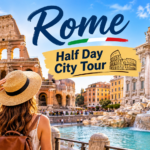













































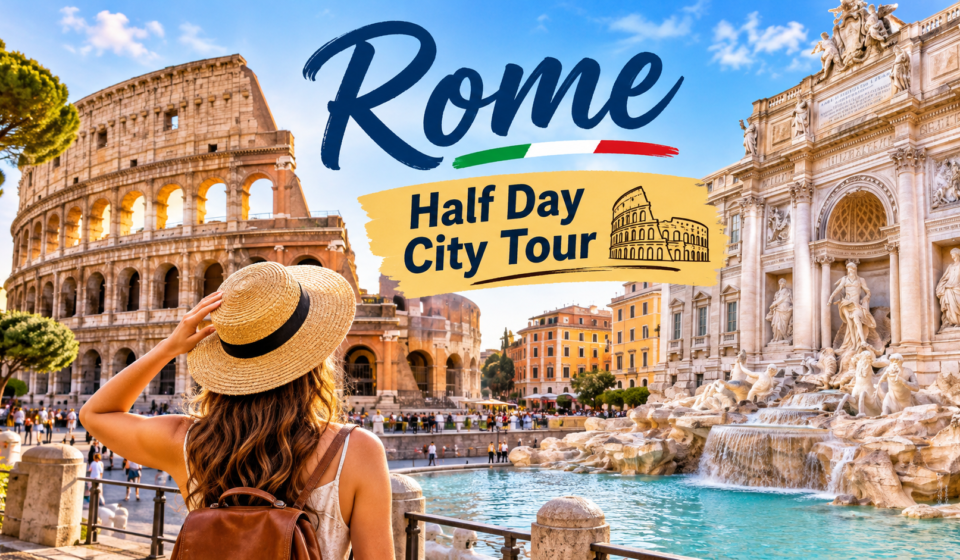

A Rome half-day city tour is an excellent way to experience the beauty, history, and culture of Italy’s capital when you have limited time. Whether you are visiting Rome for a short city break, spending a day between flights, or exploring the city during a longer Italian vacation, a half-day itinerary allows you to discover some of its most remarkable attractions without rushing through the entire city.
Rome is home to ancient monuments, impressive churches, beautiful squares, and charming streets that reflect thousands of years of history. From the magnificent Colosseum to the lively Piazza Navona, the city offers countless opportunities for memorable sightseeing. With a carefully planned route, you can enjoy several important landmarks in approximately four hours while leaving time for lunch, shopping, or further exploration.
Why Choose a Rome Half Day City Tour?
A Rome half-day city tour is particularly useful for travelers who want to explore the city without dedicating an entire day to sightseeing. Instead of spending hours traveling between distant attractions, you can concentrate on a smaller area and experience its most important historical and cultural highlights.
These tours are also suitable for first-time visitors who want a general introduction to Rome before exploring independently. A knowledgeable guide can explain the significance of ancient buildings, introduce fascinating historical events, and point out architectural details that visitors might otherwise overlook.
Another advantage is flexibility. Travelers can choose between guided walking tours, private sightseeing experiences, and small-group excursions depending on their interests and budget. Some tours focus on ancient Roman history, while others combine famous monuments with the city’s beautiful squares and fountains.
Best Attractions to Include in Your Rome Half Day City Tour
The Colosseum and Ancient Rome
The Colosseum is one of Rome’s most recognizable landmarks and a major highlight of any sightseeing itinerary. Built during the Roman Empire, this enormous amphitheater hosted gladiatorial contests and other public spectacles. Its surviving arches and stone corridors provide a fascinating glimpse into the engineering achievements of ancient Rome.
A visit to the Colosseum can be combined with views of the nearby Roman Forum and Palatine Hill. These archaeological sites once formed the political, commercial, and social heart of the Roman world. Even when viewed from outside, they offer a powerful introduction to the city’s ancient history.
The Trevi Fountain
The Trevi Fountain is one of the most beautiful fountains in Europe and a popular stop during a Rome half-day city tour. Its dramatic sculptures, flowing water, and elaborate Baroque architecture make it a memorable place for photographs.
Visitors traditionally toss a coin into the fountain, following a popular custom associated with the hope of returning to Rome. The surrounding streets are filled with cafés, gelato shops, and small boutiques, making the area an enjoyable place to pause during a walking tour.
The Pantheon
The Pantheon is an extraordinary example of ancient Roman architecture. Originally constructed as a temple and later converted into a Christian church, it is famous for its enormous concrete dome and central opening, known as the oculus.
The building’s impressive interior demonstrates the architectural skill of Roman engineers. Its location in the historic center makes it an easy addition to a walking itinerary that includes Piazza Navona and other nearby attractions.
Piazza Navona
Piazza Navona is one of Rome’s most attractive public squares. Built on the site of an ancient stadium, it is surrounded by elegant buildings, restaurants, and historic churches.
The square’s most famous feature is the Fountain of the Four Rivers, designed by Gian Lorenzo Bernini. Visitors can admire its sculptures, enjoy the lively atmosphere, and take a short break before continuing through the historic center.
Vatican City and St. Peter’s Square
Vatican City is another important destination for travelers interested in art, architecture, and religious history. St. Peter’s Square is particularly impressive, with its sweeping colonnades and monumental basilica.
A half-day itinerary can include an exterior visit to St. Peter’s Basilica and the surrounding square. Travelers who wish to enter the Vatican Museums or explore the Sistine Chapel should allow additional time, as these attractions require separate planning and can involve substantial queues.
A Suggested Four-Hour Rome Half-Day City Tour Itinerary
A well-organized itinerary can help visitors experience several of Rome’s most famous landmarks in a limited amount of time. The following route is designed for travelers who want to explore the historic center on foot, beginning near the Colosseum and finishing at Piazza Navona.
| Approximate Time | Activity |
|---|---|
| 9:00–9:45 AM | Explore the Colosseum’s exterior and nearby ancient ruins. |
| 9:45–10:15 AM | Walk toward Piazza Venezia. |
| 10:15–10:45 AM | Visit the Trevi Fountain. |
| 10:45–11:15 AM | Explore the Pantheon. |
| 11:15 AM–12:00 PM | Enjoy Piazza Navona and nearby streets. |
| 12:00–1:00 PM | Stop for lunch or continue sightseeing. |
This itinerary offers a balanced introduction to Rome’s ancient and Baroque heritage. Actual walking times will depend on crowd levels, weather conditions, and the amount of time spent at each attraction.
Visitors who prefer a Vatican-focused experience can replace the Colosseum and Trevi Fountain with St. Peter’s Square and the surrounding neighborhood. However, combining the Vatican Museums, the Colosseum, and several historic-center attractions in only four hours is generally unrealistic.
Guided Walking Tours or Private City Tours?
Choosing the right type of Rome half-day city tour depends on your travel style, interests, and available budget.
Guided Walking Tours
Walking tours are ideal for travelers who enjoy exploring historic streets and learning about the city’s past. They usually follow a planned route and are led by a guide who explains the significance of the monuments and surrounding neighborhoods.
These tours can also provide opportunities to discover quieter streets, traditional cafés, and architectural details that are easy to miss when sightseeing alone. However, visitors should be comfortable walking for several hours and navigating uneven historic streets.
Private Half-Day Tours
Private tours provide a more personalized sightseeing experience. Travelers can often select their preferred attractions, adjust the pace, and spend more time at locations that interest them.
Some private excursions include transportation between landmarks, which can be useful for visitors with limited mobility or those who want to cover several different neighborhoods. Before booking, check whether the price includes transportation, attraction tickets, and a licensed guide.
Small-Group Sightseeing Tours
Small-group tours offer a balance between affordability and personal attention. They are often suitable for solo travelers, couples, and families who want a structured sightseeing experience without the cost of a private guide.
When comparing options, consider the group size, meeting point, walking distance, and whether entrance tickets are included. These details can make a significant difference to the overall experience.
How Much Does a Rome Half Day City Tour Cost?
The cost of a Rome half day city tour depends on the type of experience, the season, and the attractions included. A basic walking tour may be relatively affordable, while a private excursion with transportation and reserved entrance tickets can cost considerably more.
Travelers should distinguish between tours that include only an outdoor sightseeing route and those that provide access to major attractions. A tour that visits the Colosseum from the outside, for example, is different from one that includes admission to the archaeological site.
Booking directly through an established tour operator or comparing reputable travel platforms can help visitors understand what is included in the price. Always review cancellation policies, meeting instructions, and any additional entrance fees before making a reservation.
Practical Tips for Planning Your Rome Half Day City Tour
Book Popular Attractions in Advance
Rome’s most famous landmarks attract large numbers of visitors throughout the year. If you want to enter the Colosseum or another major attraction, reserve tickets in advance whenever possible. Check official ticketing information for current admission requirements and available time slots.
Wear Comfortable Walking Shoes
Historic Rome is best explored on foot, but its streets can include cobblestones, uneven pavement, and long stretches of walking. Comfortable shoes are essential, particularly if you plan to visit several attractions during a single morning or afternoon.
Start Early or Choose a Late Afternoon Tour
Early morning tours can provide a more comfortable sightseeing experience, especially during warmer months. Late afternoon tours may also offer attractive lighting for photographs, although some attractions have earlier closing times.
Plan Around the Weather
Rome can become extremely hot during summer, while winter may bring rain and cooler temperatures. Carry water, use sun protection when necessary, and check the forecast before leaving your accommodation.
Allow Time for Breaks
A half-day itinerary should not feel like a race. Leave time to enjoy a coffee, taste Italian gelato, or sit in one of Rome’s historic squares. A short break can make the experience more enjoyable and provide a chance to appreciate the city’s atmosphere.
Conclusion
A Rome half day city tour is a practical and enjoyable way to discover the highlights of one of the world’s most historic cities. By choosing a manageable route, travelers can experience ancient monuments, beautiful fountains, impressive architecture, and charming streets without needing an entire day for sightseeing.
Whether you prefer a guided walking excursion, a private sightseeing experience, or an independent itinerary, careful planning will help you make the most of your available time. Focus on the attractions that interest you most, book popular sites in advance, and allow yourself time to enjoy the unique atmosphere of Rome.
