


















































Trips to Japan: The Ultimate Guide to Planning an Unforgettable Japanese Vacation

Trips to Japan offer an extraordinary combination of ancient traditions, modern technology, beautiful landscapes, and unforgettable culinary experiences. From the neon-lit streets of Tokyo to the peaceful temples of Kyoto, Japan welcomes travelers with a unique atmosphere that blends centuries of history with contemporary lifestyles. Whether you are planning your first international vacation, a romantic getaway, a family holiday, or a solo adventure, Japan offers experiences for almost every type of traveler.
One of the most appealing aspects of visiting Japan is the variety of attractions available within a single country. Travelers can explore historic castles, walk through bamboo forests, admire Mount Fuji, relax in traditional hot springs, and discover lively shopping districts. The country’s efficient transportation system also makes it possible to visit several destinations during one vacation. With thoughtful planning, you can enjoy a rewarding Japanese journey without feeling rushed or spending more than necessary.
Why Trips to Japan Are Worth Taking
Japan stands out because it offers a balance between cultural discovery and modern convenience. In major cities, visitors can experience advanced public transportation, innovative architecture, shopping centers, themed cafés, and exciting nightlife. In smaller towns and rural areas, traditional wooden houses, historic shrines, scenic gardens, and quiet countryside roads reveal a different side of Japanese life.
Hospitality is another reason many travelers enjoy trips to Japan. Public spaces are generally well maintained, trains are known for their punctuality, and many tourist destinations provide clear signs for international visitors. Although language differences can sometimes create challenges, translation apps, digital maps, and basic Japanese phrases make exploring easier. Respecting local customs and following public etiquette can also help visitors enjoy a more comfortable and meaningful experience.
Best Places to Visit During Trips to Japan
Japan has numerous destinations worth exploring, but choosing the right places depends on your travel dates, interests, and available time. First-time visitors often combine Tokyo, Kyoto, and Osaka because these cities offer different perspectives on Japanese culture, entertainment, and history.
Tokyo: A Dynamic City of Modern Japan
Tokyo is an excellent starting point for trips to Japan because it combines traditional neighborhoods with modern attractions. Visitors can explore the famous Shibuya Crossing, shop in Shinjuku, discover fashionable streets in Harajuku, and visit historic Senso-ji Temple in Asakusa. Each neighborhood has its own character, making the city an exciting destination for sightseeing, photography, shopping, and food exploration.
Travelers interested in Japanese pop culture can visit Akihabara for electronics, gaming, anime merchandise, and specialty stores. Those looking for peaceful surroundings can spend time in Shinjuku Gyoen National Garden or explore traditional streets away from the busiest districts. Tokyo also provides convenient access to nearby destinations such as Kamakura, Nikko, and Hakone, making it useful for travelers who want to include day trips in their itinerary.
Kyoto: Traditional Culture and Historic Temples
Kyoto is famous for its temples, shrines, traditional architecture, and seasonal beauty. The city served as Japan’s imperial capital for more than a thousand years, and its historic atmosphere remains visible throughout many neighborhoods. Popular attractions include Kiyomizu-dera Temple, Fushimi Inari Taisha with its thousands of red torii gates, and the picturesque streets of Higashiyama.
Nature lovers should consider visiting Arashiyama, where the bamboo grove, river scenery, and surrounding mountains create a memorable setting. Kyoto is also a wonderful place to experience a traditional tea ceremony, explore Japanese gardens, or enjoy regional cuisine. Spending at least two nights in Kyoto allows travelers to experience its main attractions without squeezing everything into a single busy day.
Osaka: Street Food and Exciting Nightlife
Osaka offers a lively atmosphere that appeals to food lovers, shoppers, and families. The Dotonbori district is known for its bright signs, busy streets, restaurants, and popular local dishes. Visitors can sample takoyaki, a savory snack made with octopus, and okonomiyaki, a Japanese-style savory pancake with regional variations.
Osaka Castle provides a glimpse into Japan’s historical past, while Universal Studios Japan attracts visitors looking for themed attractions and entertainment. The city also works well as a base for exploring nearby destinations, including Nara and Kobe. Compared with Tokyo, some visitors find Osaka’s dining culture particularly relaxed and informal, making it an enjoyable place to spend evenings discovering local food.
Mount Fuji: Japan’s Iconic Natural Landmark
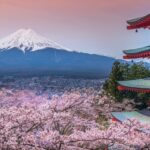
Mount Fuji is one of Japan’s most recognizable landmarks and a highlight for travelers who appreciate natural scenery. The surrounding Fuji Five Lakes region offers beautiful viewpoints, lakeside walks, seasonal flowers, and opportunities for photography. Lake Kawaguchi is especially popular because it provides several locations from which visitors can admire the mountain when weather conditions are favorable.
Travelers can visit the Mount Fuji area as a day trip from Tokyo or stay overnight to enjoy the scenery at a slower pace. Hakone is another appealing option for travelers interested in hot springs, mountain views, and scenic transportation. If climbing Mount Fuji is part of your plans, check the official seasonal access rules and safety guidance before traveling because climbing is restricted to designated periods and conditions.
Nara: Deer Parks and Ancient Heritage
Nara is an excellent addition to trips to Japan for travelers who want to experience historic temples and a quieter atmosphere. Nara Park is famous for its freely roaming deer, which are accustomed to visitors. The city is also home to Todai-ji Temple, which houses a monumental bronze Buddha statue and represents an important part of Japan’s religious and architectural heritage.
Nara is easily reached from Kyoto or Osaka, making it a practical day-trip destination. Visitors can explore its historic sites, walk through green parkland, and enjoy local food before returning to their accommodation. When interacting with the deer, travelers should follow posted instructions, feed them only approved food, and avoid teasing or chasing them.
Best Time to Plan Trips to Japan
The best time for trips to Japan depends on the experiences you want most. Spring is popular for cherry blossoms, autumn attracts visitors with colorful foliage, summer offers festivals and mountain activities, and winter provides opportunities for skiing, snowboarding, and hot-spring experiences. Each season has advantages, although weather, crowds, and prices can vary significantly between regions.
Spring and autumn are particularly popular for sightseeing because many destinations have comfortable temperatures and attractive landscapes. However, cherry blossom timing changes each year depending on location and weather. Travelers should check updated forecasts before booking trips specifically for blossoms. Summer can be hot and humid in many cities, while winter conditions range from mild in parts of southern Japan to heavy snowfall in northern regions.
| Season | What to experience | Planning considerations |
|---|---|---|
| Spring, March–May | Cherry blossoms, gardens, pleasant sightseeing | Popular travel period; book early |
| Summer, June–August | Festivals, hiking, coastal destinations | Heat, humidity, and rainy-season conditions in many areas |
| Autumn, September–November | Colorful foliage, temples, scenic walks | Peak foliage varies by region |
| Winter, December–February | Snow sports, hot springs, winter illuminations | Cold weather and possible transport disruptions |
The dates in this table are general seasonal guides rather than guarantees. Japan stretches across several climate zones, so conditions in Hokkaido can differ considerably from those in Tokyo, Kyoto, or Okinawa.
How to Plan in Japan Travel Itinerary
A well-organized itinerary helps travelers enjoy more attractions while avoiding unnecessary transportation costs and exhaustion. For a first visit, seven to ten days is a practical duration for exploring several major destinations. If you have less time, concentrating on Tokyo and one nearby region may be more enjoyable than attempting to visit the entire country.
A ten-day itinerary could include three days in Tokyo, two days around Mount Fuji or Hakone, three days in Kyoto, and two days in Osaka. Travelers who prefer history can add Nara, while those interested in nature may choose extra time in the Japanese Alps or another countryside destination. Keep travel distances in mind when planning, and avoid changing hotels every night if you want a more relaxed vacation.
Sample Seven-Day Japan Itinerary
A seven-day trip can provide a rewarding introduction to Japan when you focus on a few destinations. Begin in Tokyo and spend the first three days exploring its major neighborhoods, cultural attractions, and food markets. On the fourth day, travel to Kyoto and visit a selection of temples and traditional districts. On the fifth day, explore Fushimi Inari Taisha or Arashiyama, depending on your interests.
On the sixth day, take a day trip to Nara or travel onward to Osaka. Spend the final day discovering Osaka’s food scene, shopping areas, and main attractions before departing. If your international flight leaves from Tokyo, account for the return journey and airport transfer instead of scheduling sightseeing too close to departure time.
Transportation Tips for Trips to Japan
Japan’s public transportation network makes independent travel relatively straightforward. Major cities have extensive train and subway systems, while high-speed Shinkansen trains connect many important destinations. Local buses are useful in places where train stations do not reach major attractions, although routes and payment methods vary by region.
An IC transportation card, such as Suica or ICOCA, can simplify payment on many participating trains, buses, and selected shops. Availability, purchase options, and mobile compatibility depend on the card and device. For longer journeys, compare individual tickets with rail passes before purchasing. A nationwide Japan Rail Pass is not automatically the cheapest option for every itinerary, particularly when travelers visit only a few cities.
Booking Trains and Getting Around Cities
For popular routes, reserved seats can provide extra convenience, especially during busy travel periods. Travelers should check luggage rules, station names, platform information, and transfer times in advance. Large stations can be confusing at first, so allow additional time when changing trains or traveling with children and heavy bags.
Walking is another useful way to explore Japanese cities because many neighborhoods contain shops, restaurants, shrines, and small attractions close together. Comfortable shoes are essential, as sightseeing days often involve considerable walking. Taxis can be useful for late-night journeys or locations with limited public transport, but they may cost significantly more than trains and buses.
Estimated Cost of Trips to Japan
The cost of trips to Japan depends on your departure country, travel season, accommodation choices, dining preferences, and itinerary. Travelers who book flights early, use public transportation, and choose simple accommodation can often manage expenses more effectively. Those who prefer luxury hotels, private transfers, fine dining, and expensive attractions should expect a higher overall budget.
The following estimates are illustrative daily costs per person in Japanese yen. They exclude international flights and can change based on location, availability, and exchange rates.
| Expense | Budget travel | Mid-range travel |
|---|---|---|
| Accommodation per night | ¥3,000–¥8,000 | ¥10,000–¥25,000 |
| Food per day | ¥2,000–¥4,000 | ¥4,000–¥8,000 |
| Local transportation per day | ¥500–¥1,500 | ¥1,000–¥3,000 |
| Attractions per day | ¥500–¥2,000 | ¥1,500–¥4,000 |
| Estimated daily total | ¥6,000–¥15,500 | ¥16,500–¥40,000 |
These ranges are planning estimates, not live prices or guaranteed averages. Accommodation can cost considerably more during major holidays, cherry blossom season, and other periods of high demand. Travelers should also budget for intercity train journeys, travel insurance, shopping, airport transfers, and unexpected expenses.
Practical Ways to Save Money
One effective way to reduce costs is to reserve accommodation well in advance, especially in popular cities. Business hotels, hostels, guesthouses, and selected apartment-style properties can offer useful alternatives to expensive full-service hotels. Comparing locations near train stations can also help reduce the time and cost of daily travel.
Food is another area where travelers can control spending. Convenience stores, casual noodle restaurants, local cafés, and affordable set meals provide practical options for everyday dining. Free attractions, public gardens, neighborhood walks, and selected shrine grounds can add variety without requiring a large entertainment budget. Before purchasing any transport pass, calculate whether its included journeys match your actual plans.
Japanese Food and Cultural Experiences
Food is an important part of trips to Japan, with each region offering distinctive dishes and dining traditions. Tokyo provides a wide range of restaurants, while Kyoto is associated with refined traditional cuisine and Osaka is famous for casual street food. Visitors can try sushi, ramen, udon, tempura, soba, yakitori, and many regional specialties throughout the country.
Travelers should also explore experiences beyond restaurants. A traditional tea ceremony can introduce visitors to Japanese hospitality and the careful preparation of matcha. Staying at a ryokan, or traditional Japanese inn, may provide opportunities to experience tatami rooms, Japanese-style meals, and communal or private hot-spring bathing where available. Booking requirements and house rules differ between properties, so review them before arrival.
Understanding Japanese Etiquette
Respect for shared spaces is an important part of everyday life in Japan. Visitors should speak quietly on public transportation, follow signs about photography, and avoid blocking busy walkways. In restaurants, it is helpful to check local rules before taking photographs or bringing outside food. Tipping is generally not customary in ordinary Japanese restaurants, hotels, and taxis, although some specialized services may have different policies.
When visiting temples and shrines, follow posted instructions and observe how other visitors behave. Some religious sites restrict photography or access to particular areas. At hot springs and traditional baths, bathing rules can include washing before entering the shared bath and keeping towels out of the water. Learning a few expressions, such as arigatou gozaimasu for “thank you,” can also make interactions more pleasant.
Essential Travel Tips Before Visiting Japan
Preparation can make trips to Japan much smoother. Before departure, check the entry requirements for your passport, confirm flight and hotel reservations, and arrange appropriate travel insurance. Visa rules depend on nationality, passport type, and the purpose and duration of travel, so consult official Japanese immigration or embassy information rather than relying solely on general travel advice.
Pack comfortable walking shoes, weather-appropriate clothing, a portable phone charger, and any essential personal medications. A small amount of Japanese yen can be useful for locations that do not accept cards, although cashless payment is widely available in many urban settings. Check your mobile roaming plan or arrange an eSIM or local SIM if needed, and download maps and translation tools before leaving home.
Staying Connected and Traveling Safely
Japan is generally considered a convenient destination for independent travelers, but sensible precautions remain important. Keep an eye on your belongings in crowded areas, follow local safety instructions, and monitor official weather information during typhoons or heavy rain. Japan also experiences earthquakes, so familiarize yourself with basic emergency procedures and follow guidance from local authorities if an incident occurs.
Travelers with food allergies, dietary restrictions, mobility needs, or religious requirements should research restaurants and accommodation before booking. Although many tourist businesses offer helpful services, accessibility and dietary options vary. Saving your hotel address, important booking details, and emergency contact information offline can also be useful when mobile connectivity is limited.
Conclusion
Trips to Japan offer an exceptional opportunity to discover a country where historic traditions, modern cities, natural landscapes, and regional food come together. From exploring Tokyo’s energetic neighborhoods and Kyoto’s ancient temples to enjoying Osaka’s dining culture and admiring Mount Fuji, visitors can create a vacation that reflects their personal interests. Choosing suitable destinations, traveling during the right season, and allowing enough time at each stop can make the experience more enjoyable and less stressful.
The best way to plan a successful Japanese vacation is to establish a realistic budget, research transportation options, reserve accommodation early, and learn a little about local customs. Whether you are visiting for seven days or several weeks, a balanced itinerary will help you appreciate Japan beyond its most famous attractions. With careful preparation and an open mind, your trips to Japan can become memorable experiences filled with cultural discovery, beautiful scenery, and meaningful travel moments.
